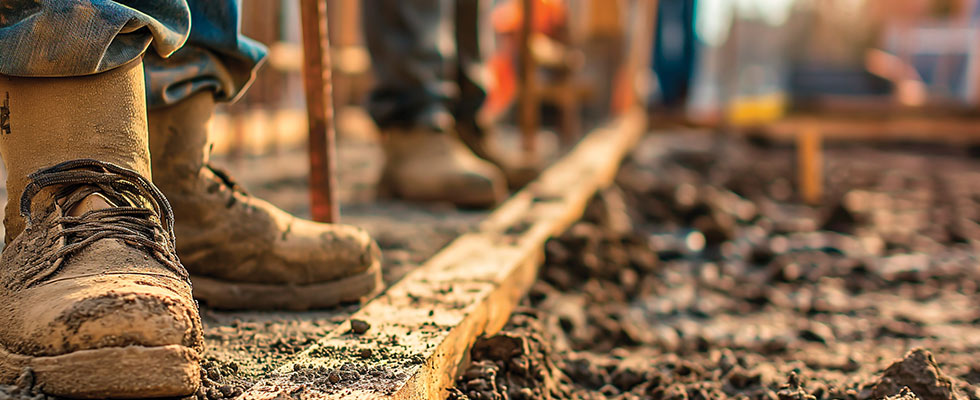
Construction workers who spend extended periods on concrete floors need sturdy and comfortable work boots engineered to withstand the demands of concrete surfaces. These boots prioritize features like slip resistance, arch support, and cushioning to minimize fatigue and potential injuries.
Investing in high-quality work boots specifically designed for concrete environments offers several advantages. These boots enhance safety by providing superior traction, reducing the risk of slips and falls. Their robust construction ensures durability, withstanding the wear and tear of concrete surfaces. Moreover, they promote foot health by providing ample support and cushioning, reducing strain and discomfort during prolonged use.
When selecting work boots for concrete, consider factors such as the type of work being performed, the specific hazards present on the job site, and individual foot shape and size. Additional features to look for include electrical hazard protection, puncture resistance, and waterproof construction for added safety and versatility.
1. Slip Resistance
Slip resistance is a critical component of the best work boots for concrete because it helps prevent falls on slick concrete surfaces. Concrete floors are often smooth and can become slippery when wet or oily, increasing the risk of slips and falls. Slip-resistant work boots are designed with special treads and materials that provide better traction on these surfaces, reducing the likelihood of accidents.
The importance of slip resistance cannot be overstated, as falls are a major cause of workplace injuries. According to the National Floor Safety Institute, slips and falls account for over 2 million injuries and 800 deaths in the United States each year. By choosing work boots with good slip resistance, workers can significantly reduce their risk of becoming a statistic.
When selecting work boots for concrete, it is important to look for boots that meet or exceed industry standards for slip resistance. The American Society for Testing and Materials (ASTM) has developed a standard test method (ASTM F1677) to measure the slip resistance of footwear. Boots that meet or exceed the ASTM F1677 standard have been shown to provide good traction on a variety of surfaces, including concrete.
In addition to meeting industry standards, it is also important to consider the specific work environment when selecting slip-resistant work boots. For example, workers who work in areas where there is a lot of oil or grease may need boots with a higher level of slip resistance than workers who work in dry environments.
By choosing the right work boots with good slip resistance, workers can help prevent falls and keep themselves safe on the job.
2. Arch Support
Arch support is a crucial component of the best work boots for concrete because it helps reduce foot fatigue and promotes proper posture. Concrete floors are often hard and unforgiving, and standing on them for long periods can put a lot of strain on the feet, legs, and back. Arch support helps to distribute weight evenly across the foot, reducing pressure on the arches and providing stability. This can help to prevent foot pain, fatigue, and injuries.
Proper posture is also important for workers who spend long hours on their feet. Good posture helps to reduce muscle strain and fatigue, and it can also help to prevent back pain. Arch support can help to promote proper posture by keeping the feet aligned and supported.
There are a number of different types of arch support available in work boots. Some boots have built-in arch support, while others allow you to insert your own arch supports. It is important to choose boots that provide the right level of arch support for your feet. If you have high arches, you will need boots with more arch support than someone with low arches.
If you are not sure what type of arch support you need, you can consult with a podiatrist. They can assess your feet and recommend the best type of arch support for your needs.
By choosing work boots with good arch support, you can help to reduce foot fatigue, promote proper posture, and prevent injuries.
3. Cushioning
Cushioning is a crucial component of the best work boots for concrete because it provides comfort and shock absorption during prolonged standing. Concrete floors are hard and unforgiving, and standing on them for long periods can put a lot of strain on the feet, legs, and back. Cushioning helps to absorb impact and reduce fatigue, making it easier to stay on your feet all day.
- Reduced Fatigue: Cushioning helps to reduce foot fatigue by absorbing impact and providing support. This is especially important for workers who spend long hours on their feet, as it can help to prevent pain and discomfort.
- Shock Absorption: Cushioning also helps to absorb shock, which can help to protect the feet, legs, and back from injuries. This is important for workers who work in environments where there is a lot of heavy lifting or walking.
- Improved Circulation: Cushioning can also help to improve circulation in the feet and legs. This is important for workers who stand for long periods, as it can help to prevent swelling and discomfort.
- Reduced Risk of Injuries: Cushioning can help to reduce the risk of injuries by providing support and shock absorption. This is important for workers who work in hazardous environments, as it can help to prevent falls and other accidents.
When choosing work boots for concrete, it is important to look for boots that have good cushioning. The cushioning should be firm enough to provide support, but soft enough to absorb impact. It is also important to make sure that the cushioning is evenly distributed throughout the boot.
4. Durability
In the context of “best work boots for concrete,” durability takes center stage as a crucial element that enables these boots to withstand the demanding nature of concrete surfaces. Concrete’s unforgiving texture and rough terrain pose challenges to footwear, making durability a non-negotiable factor. To fully understand this connection, let’s delve into various facets of durability and their implications for work boots designed for concrete environments.
- Material Composition: The materials used in constructing work boots play a pivotal role in ensuring durability. Leather, known for its strength and resistance to abrasion, is a popular choice for concrete work boots. Other durable materials include synthetic fibers, rubber, and specialized composites, each offering unique properties to withstand wear and tear.
- Construction and Reinforcement: The manner in which work boots are constructed also contributes to their durability. Reinforced toes and heels, along with sturdy stitching and secure bonding, enhance the boot’s ability to endure the rigors of concrete surfaces. Features like double or triple stitching, as well as the use of rivets and other reinforcements, add to the overall longevity of the boots.
- Outsole Design: The outsole of a work boot is constantly in contact with concrete, making its design critical for durability. Outsoles made from abrasion-resistant materials, such as rubber compounds or polyurethane, provide excellent traction and protection against wear. Additionally, lug patterns and deep treads on the outsole ensure a firm grip on concrete surfaces, preventing slips and falls.
- Resistance to Elements: Work boots for concrete environments often encounter exposure to various elements, including water, oil, and chemicals. Durable boots employ materials and treatments that resist these elements, preventing damage and ensuring the boots remain functional in challenging conditions.
The combination of these durability facets ensures that work boots can withstand the wear and tear of concrete surfaces, providing users with reliable and long-lasting footwear that meets the demands of their work environment. Durability is not merely a feature but a fundamental requirement for concrete work boots, ensuring the safety and productivity of workers in these demanding conditions.
5. Protection
In the realm of concrete work boots, protection takes precedence as a crucial aspect that safeguards wearers against potential hazards encountered in concrete environments. The unforgiving nature of concrete surfaces demands footwear that prioritizes safety, and features like electrical hazard protection and puncture resistance play a vital role in ensuring the well-being of workers.
- Electrical Hazard Protection: Concrete construction sites often present electrical hazards, making electrical hazard protection a critical feature in work boots. These boots are designed with non-conductive materials, such as rubber or leather, that prevent electricity from traveling through the boot and reaching the wearer. This protection is vital in preventing electrical shocks and electrocution, safeguarding workers from severe injuries or even fatalities.
- Puncture Resistance: Concrete surfaces may contain sharp objects or debris that pose a puncture hazard. Puncture-resistant work boots incorporate materials like steel or Kevlar into their construction, creating a barrier that protects the feet from being punctured by these sharp objects. This feature is especially important for workers who work in environments with rebar, nails, or other sharp materials.
By incorporating these protective features, work boots designed for concrete environments provide wearers with peace of mind, knowing that their feet are shielded from potential hazards. These features enhance safety, allowing workers to focus on their tasks without the worry of sustaining serious injuries. Ultimately, protection is a fundamental requirement for concrete work boots, ensuring the well-being of workers in these demanding and potentially hazardous environments.
6. Fit
In the realm of “best work boots for concrete,” proper fit stands as a cornerstone, ensuring both comfort and the prevention of injuries. Concrete work boots are subjected to demanding conditions, making a snug and supportive fit paramount for workers’ well-being and productivity.
- Comfort and Reduced Fatigue: Ill-fitting boots can lead to discomfort, blisters, and foot pain, hindering workers’ ability to perform their tasks effectively. Proper fit eliminates these issues, providing a comfortable and supportive environment for the feet, reducing fatigue, and enhancing overall productivity.
- Injury Prevention: Boots that fit properly provide adequate support and stability, preventing injuries such as ankle sprains, heel pain, and plantar fasciitis. By keeping the feet in their natural position, proper fit minimizes stress on joints and muscles, reducing the risk of long-term damage.
- Enhanced Performance: Well-fitting boots allow for optimal foot movement and flexibility, enabling workers to perform their tasks with greater agility and precision. Snug boots provide a sense of control and stability, boosting confidence and overall performance on the job.
- Durability and Longevity: Boots that fit properly experience less wear and tear, extending their lifespan. Ill-fitting boots may cause excessive rubbing and pressure on certain areas, leading to premature damage. Proper fit distributes weight evenly across the boot, ensuring its longevity and cost-effectiveness.
Therefore, in the context of “best work boots for concrete,” proper fit plays a crucial role in ensuring the comfort, safety, and productivity of workers. By prioritizing fit and choosing boots that conform to the unique contours of their feet, workers can experience the full benefits of well-fitting footwear, maximizing their performance and well-being on the job.
FAQs
This section addresses frequently asked questions regarding the selection and use of the best work boots for concrete environments, providing valuable insights and guidance to ensure safety, comfort, and durability.
Question 1: What are the key features to look for in work boots designed for concrete surfaces?
Answer: When choosing work boots for concrete, prioritize features such as slip resistance to prevent falls, arch support for reduced fatigue and proper posture, cushioning for comfort and shock absorption, durability to withstand wear and tear, and protective elements like electrical hazard protection and puncture resistance to safeguard against potential hazards.
Question 2: Why is electrical hazard protection important in concrete work boots?
Answer: Electrical hazard protection is crucial in concrete work boots because construction sites often involve electrical hazards. Non-conductive materials prevent electricity from reaching the wearer, protecting against electrical shocks and electrocution, ensuring safety in potentially hazardous environments.
Question 3: How does proper fit contribute to the effectiveness of concrete work boots?
Answer: Proper fit ensures comfort, reduces fatigue, prevents injuries, enhances performance, and increases the durability of work boots. Well-fitting boots provide support and stability, minimize stress on joints and muscles, allow for optimal foot movement, and distribute weight evenly, maximizing comfort and productivity.
Question 4: What materials are commonly used in durable work boots for concrete?
Answer: Work boots designed for concrete environments often employ durable materials such as leather for its strength and abrasion resistance, synthetic fibers for their lightweight and moisture-wicking properties, rubber for its slip-resistant and shock-absorbing qualities, and specialized composites for enhanced durability and protection.
Question 5: How can cushioning benefit users of concrete work boots?
Answer: Cushioning in concrete work boots provides several benefits, including reduced fatigue by absorbing impact and providing support, shock absorption to protect the feet, legs, and back from injuries, improved circulation in the feet and legs, and reduced risk of injuries by providing support and shock absorption.
Question 6: What are the advantages of puncture-resistant work boots in concrete environments?
Answer: Puncture-resistant work boots are essential in concrete environments as they protect the feet from sharp objects or debris that may puncture the boots. Materials like steel or Kevlar create a barrier, preventing punctures and safeguarding against potential foot injuries.
These FAQs provide crucial information for individuals seeking the best work boots for concrete, empowering them to make informed decisions and prioritize safety, comfort, and durability in their footwear choices.
Tips for Choosing the Best Work Boots for Concrete
Selecting the best work boots for concrete demands careful consideration of essential factors that contribute to safety, comfort, and durability. Here are some valuable tips to guide your decision-making process:
Tip 1: Prioritize Slip Resistance
Concrete surfaces can be slippery, especially when wet or oily. Choose boots with slip-resistant treads and materials that provide excellent traction to prevent falls and ensure safety.
Tip 2: Ensure Arch Support
Prolonged standing on concrete can strain feet and legs. Opt for boots with built-in arch support or insert your own arch supports for proper posture, reduced fatigue, and minimized risk of foot pain and injuries.
Tip 3: Value Cushioning
Cushioning in work boots absorbs shock and provides comfort. It helps reduce foot fatigue, improves circulation, and protects the feet, legs, and back from potential injuries caused by prolonged standing or heavy lifting on concrete surfaces.
Tip 4: Choose Durable Materials
Concrete work boots endure rough conditions. Select boots made from durable materials like leather, synthetic fibers, rubber, or composites that can withstand abrasion, wear and tear, and exposure to elements, ensuring longevity and protection.
Tip 5: Consider Protective Features
Concrete environments can pose electrical hazards. Look for boots with electrical hazard protection to prevent shocks. Additionally, puncture-resistant boots safeguard feet from sharp objects or debris, enhancing overall safety.
Tip 6: Ensure Proper Fit
Properly fitting work boots provide comfort, prevent blisters and injuries, and enhance performance. Wear boots that fit snugly but allow for comfortable movement. Avoid boots that are too loose or too tight, as they can cause discomfort and affect safety.
By following these tips, you can choose the best work boots for concrete that meet your specific needs and ensure safety, comfort, and durability on the job.
Conclusion
Selecting the best work boots for concrete is crucial for ensuring safety, comfort, and durability in demanding work environments. This article has explored the key aspects to consider when choosing concrete work boots, including slip resistance, arch support, cushioning, durable materials, protective features, and proper fit. By prioritizing these factors, individuals can make informed decisions and choose boots that meet their specific needs.
Investing in high-quality work boots for concrete not only enhances safety but also promotes foot health and overall well-being. By providing adequate protection, support, and comfort, these boots empower workers to perform their tasks with confidence and efficiency. Remember, the best work boots for concrete are an essential investment in personal safety and productivity.


