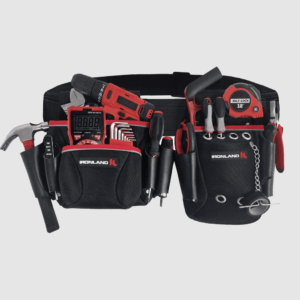
A work belt is a type of belt that is specifically designed for use in a work environment. It is typically made from durable materials such as leather or nylon, and it often has features such as multiple pockets and loops for attaching tools and equipment. Work belts are essential for many different types of jobs, including construction, manufacturing, and law enforcement. They help to keep workers organized and safe by providing a convenient place to store their tools and gear.
In addition to being functional, work belts can also be stylish. They are available in a variety of colors and styles, so workers can choose a belt that matches their personal taste. Work belts are an essential part of many different work uniforms, and they can help to create a professional and polished appearance.
If you are looking for a durable and stylish work belt, there are many different options available. You can find work belts at most hardware stores and home improvement centers. You can also find work belts online from a variety of retailers.
1. Durability
The durability of a work belt is one of its most important qualities. A work belt is often used in harsh conditions, and it needs to be able to withstand the wear and tear of everyday use. That’s why work belts are typically made from tough materials like leather or nylon.
- Materials: Work belts are made from a variety of tough materials, including leather, nylon, and canvas. These materials are resistant to abrasion, tearing, and moisture, making them ideal for use in a work environment.
- Construction: Work belts are also constructed in a way that makes them durable. They are typically double-stitched and reinforced at stress points, such as the belt loops and the buckle. This ensures that the belt will not come apart, even under heavy use.
- Hardware: The hardware on a work belt is also important for durability. The buckle should be made from a strong metal, such as steel or brass. The belt loops should also be made from a strong material, such as metal or nylon.
The durability of a work belt is essential for its functionality. A work belt that is not durable will not be able to withstand the rigors of everyday use, and it will quickly become unusable. That’s why it’s important to choose a work belt that is made from high-quality materials and is constructed in a durable manner.
2. Functionality
The functionality of a work belt is one of its most important aspects. A work belt is designed to help workers stay organized and efficient, and its multiple pockets and loops play a big role in that.The pockets on a work belt are typically large enough to hold a variety of tools and equipment, such as pliers, screwdrivers, and nails. This allows workers to keep their tools close at hand, which can save time and improve productivity. The loops on a work belt are also very useful, as they can be used to attach tools and equipment that are not easily stored in the pockets. For example, a worker might use the loops to attach a hammer or a tape measure.The functionality of a work belt is essential for its overall usefulness. A work belt that does not have multiple pockets and loops would be much less effective at helping workers stay organized and efficient. That’s why it’s important to choose a work belt that has the features you need to get the job done.
Here are some examples of how the functionality of a work belt can be important in different work environments:
- Construction: Construction workers often need to carry a variety of tools and equipment with them. A work belt with multiple pockets and loops can help them to stay organized and efficient by providing a place to store their tools and equipment.
- Manufacturing: Manufacturing workers often need to use a variety of tools and equipment to assemble products. A work belt with multiple pockets and loops can help them to stay organized and efficient by providing a place to store their tools and equipment.
- Law enforcement: Law enforcement officers often need to carry a variety of tools and equipment with them, such as handcuffs, pepper spray, and a flashlight. A work belt with multiple pockets and loops can help them to stay organized and efficient by providing a place to store their tools and equipment.
The functionality of a work belt is an important consideration when choosing a work belt. A work belt with multiple pockets and loops can help workers to stay organized and efficient, which can improve productivity and safety.
3. Organization
Work belts play a crucial role in keeping workers organized and efficient. By providing a convenient and accessible place to store tools and gear, work belts help workers to stay focused on their tasks and avoid wasting time searching for misplaced items. This organization is particularly important in fast-paced and demanding work environments, where efficiency and safety are paramount.
- Increased productivity: When workers have their tools and gear within easy reach, they can work more quickly and efficiently. This is especially important in time-sensitive situations, where delays can have serious consequences.
- Reduced downtime: Work belts help to reduce downtime by eliminating the need for workers to constantly search for their tools and gear. This can save valuable time and keep projects on schedule.
- Improved safety: A well-organized work belt can help to improve safety by keeping tools and gear secure and out of the way. This can help to prevent accidents and injuries.
Overall, the organization provided by work belts is essential for workers to stay efficient, productive, and safe. By providing a convenient and accessible place to store tools and gear, work belts help workers to get the job done right.
4. Safety
Work belts play a vital role in ensuring the safety of workers in various industries. By keeping tools and equipment securely attached to the body, work belts prevent these items from falling or swinging, which can cause serious injuries. This is particularly important for workers who are working at heights or in confined spaces, where a falling tool could have disastrous consequences.
In addition to preventing injuries from falling objects, work belts can also help to prevent other types of injuries by keeping tools and equipment organized and within easy reach. This reduces the risk of workers straining their muscles or injuring themselves by reaching for tools that are out of reach.
Here are some real-life examples of how work belts have helped to prevent injuries:
- In the construction industry, work belts have helped to prevent injuries from falling tools and equipment. According to the Occupational Safety and Health Administration (OSHA), falls from heights are one of the leading causes of workplace fatalities in the construction industry. Work belts can help to prevent these falls by keeping tools and equipment securely attached to the body.
- In the manufacturing industry, work belts have helped to prevent injuries from machinery. Workers who operate machinery often need to use tools and equipment that could be hazardous if they were to fall. Work belts help to keep these tools and equipment securely attached to the body, reducing the risk of injuries.
- In the transportation industry, work belts have helped to prevent injuries from vehicle accidents. Drivers who wear work belts are less likely to be injured in a vehicle accident because the belt will help to keep them in place and prevent them from being ejected from the vehicle.
Overall, work belts are an important safety device that can help to prevent injuries in a variety of workplace settings. By keeping tools and equipment securely attached to the body, work belts can help to prevent falls, strains, and other injuries.
5. Style
The style of a work belt is an important consideration for many workers. A work belt that is stylish and matches the worker’s personal taste can help to boost morale and productivity. In addition, a stylish work belt can help to create a positive impression on customers and clients.
There are many different styles of work belts available, so workers can choose a belt that fits their individual needs and preferences. Some popular styles of work belts include:
- Traditional leather work belts
- Nylon work belts
- Canvas work belts
- Tactical work belts
- Fashion work belts
When choosing a work belt, it is important to consider the following factors:
- The type of work you do
- Your personal style
- The durability of the belt
- The price of the belt
By considering these factors, you can choose a work belt that is both stylish and functional.
Here are some real-life examples of how the style of a work belt can make a difference:
- A construction worker who wears a stylish work belt may be more likely to take pride in their work and be more productive.
- A salesperson who wears a stylish work belt may be more likely to make a positive impression on customers and clients.
- A law enforcement officer who wears a stylish work belt may be more likely to be respected by the community.
Overall, the style of a work belt is an important consideration for many workers. By choosing a work belt that is both stylish and functional, workers can boost their morale, productivity, and safety.
6. Versatility
The versatility of work belts is one of their most important qualities. A work belt can be used in a variety of different work environments, including construction, manufacturing, and law enforcement. This versatility is due to the fact that work belts are typically made from durable materials and have multiple pockets and loops for attaching tools and equipment. This makes them ideal for a wide range of tasks, from carrying heavy tools to securing equipment to the body.
The versatility of work belts is also important for workers who need to be able to move around easily and efficiently. A work belt can be worn on the waist or over the shoulder, and it can be adjusted to fit a variety of body types. This makes it easy for workers to move around without being hindered by their belt.
Here are some real-life examples of how the versatility of work belts can be beneficial:
- Construction workers often need to carry a variety of tools and equipment with them. A work belt can help them to stay organized and efficient by providing a place to store their tools and equipment.
- Manufacturing workers often need to use a variety of tools and equipment to assemble products. A work belt can help them to stay organized and efficient by providing a place to store their tools and equipment.
- Law enforcement officers often need to carry a variety of tools and equipment with them, such as handcuffs, pepper spray, and a flashlight. A work belt can help them to stay organized and efficient by providing a place to store their tools and equipment.
The versatility of work belts makes them an essential piece of gear for workers in a variety of different industries. By providing a convenient and secure place to store tools and equipment, work belts help workers to stay organized, efficient, and safe.
FAQs on Work Belts
Work belts are an essential piece of gear for workers in many different industries. They provide a convenient and secure way to store tools and equipment, and they can help to improve productivity and safety. However, there are some common questions that people have about work belts. Here are the answers to some of the most frequently asked questions:
Question 1: What are work belts made of?
Work belts are typically made from durable materials such as leather, nylon, or canvas. These materials are resistant to abrasion, tearing, and moisture, making them ideal for use in a work environment.
Question 2: What are the different types of work belts?
There are many different types of work belts available, including traditional leather work belts, nylon work belts, canvas work belts, tactical work belts, and fashion work belts. Each type of work belt has its own unique features and benefits, so it is important to choose a belt that is right for your specific needs.
Question 3: How do I choose the right work belt?
When choosing a work belt, it is important to consider the following factors: the type of work you do, your personal style, the durability of the belt, and the price of the belt. By considering these factors, you can choose a work belt that is both stylish and functional.
Question 4: How do I care for my work belt?
To care for your work belt, it is important to clean it regularly with a damp cloth. You should also condition the belt with a leather conditioner every few months to keep it looking its best.
Question 5: How long should a work belt last?
A good quality work belt should last for many years. However, the lifespan of a work belt will depend on the materials it is made from and how well it is cared for.
Question 6: Where can I buy a work belt?
Work belts can be purchased at most hardware stores, home improvement centers, and online retailers.
By following these tips, you can choose and care for a work belt that will meet your needs for many years to come.
Key Takeaways:
- Work belts are made from durable materials such as leather, nylon, and canvas.
- There are many different types of work belts available, each with its own unique features and benefits.
- It is important to consider the type of work you do, your personal style, the durability of the belt, and the price of the belt when choosing a work belt.
- To care for your work belt, clean it regularly with a damp cloth and condition it with a leather conditioner every few months.
- A good quality work belt should last for many years.
Transition to the next article section:
Now that you know more about work belts, you can choose the right belt for your needs and get the most out of it.
Work Belt Tips
Work belts are an essential piece of gear for many workers. They provide a convenient and secure way to store tools and equipment, and they can help to improve productivity and safety. Here are some tips for choosing and using a work belt:
Tip 1: Choose the Right Material
Work belts are typically made from leather, nylon, or canvas. Leather is a durable and comfortable material, but it is also more expensive than nylon or canvas. Nylon is a lightweight and strong material, but it is not as durable as leather. Canvas is a durable and affordable material, but it is not as comfortable as leather or nylon.
Tip 2: Choose the Right Size
Work belts should fit snugly around your waist. The belt should not be too loose, as this could cause your tools and equipment to fall off. The belt should also not be too tight, as this could be uncomfortable.
Tip 3: Choose the Right Style
There are many different styles of work belts available. Some belts have multiple pockets and loops for attaching tools and equipment. Other belts have a more minimalist design. Choose a belt that has the features that you need and that fits your personal style.
Tip 4: Care for Your Work Belt
To care for your work belt, clean it regularly with a damp cloth. You should also condition the belt with a leather conditioner every few months to keep it looking its best.
Tip 5: Use Your Work Belt Properly
When using your work belt, be sure to distribute the weight of your tools and equipment evenly. This will help to prevent the belt from sagging or breaking. You should also be sure to fasten the belt securely before starting work.
Summary of Key Takeaways:
- Choose the right material for your work belt.
- Choose the right size work belt.
- Choose the right style work belt.
- Care for your work belt properly.
- Use your work belt properly.
Transition to the article’s conclusion:
By following these tips, you can choose and use a work belt that will meet your needs for many years to come.
Conclusion
A work belt is an essential piece of gear for many workers. It provides a convenient and secure way to store tools and equipment, and it can help to improve productivity and safety. When choosing a work belt, it is important to consider the type of work you do, your personal style, the durability of the belt, and the price of the belt. By following the tips in this article, you can choose and use a work belt that will meet your needs for many years to come.
The work belt is a versatile tool that can be used in a variety of work environments. It is an essential piece of gear for workers who need to carry tools and equipment with them. By choosing the right work belt and using it properly, you can improve your productivity and safety.