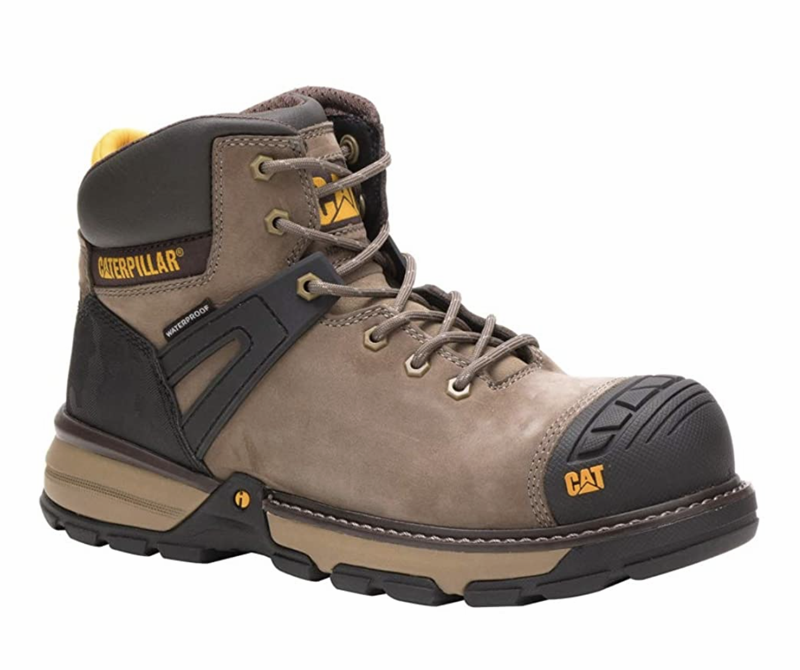
Mechanic work boots are a type of footwear specifically designed for mechanics and other professionals who work in industrial or automotive environments.
These boots are typically made of durable materials such as leather or synthetic materials and feature a variety of safety features, such as steel toes, slip-resistant soles, and electrical hazard protection.
Mechanic work boots help to protect the wearer’s feet from hazards such as falling objects, sharp objects, and chemicals. They also provide support and comfort for long hours of standing and walking.
1. Safety
Mechanic work boots are designed to protect the wearer’s feet from a variety of hazards, including falling objects, sharp objects, and chemicals. Steel toes provide protection from falling objects, while slip-resistant soles help to prevent slips and falls on slippery surfaces. Electrical hazard protection is important for mechanics who work with electrical equipment, as it helps to protect against electrical shocks.
These safety features are essential for mechanics who want to protect their feet from injuries. Without these features, mechanics would be at risk of serious injury, including fractures, lacerations, and electrical shocks.
In addition to these safety features, mechanic work boots also provide support and comfort for long hours of standing and walking. They are typically made from durable materials, such as leather or synthetic materials, and feature a variety of comfort features, such as padded insoles and arch support.
2. Durability
Durability is an essential quality for mechanic work boots, as they are subjected to a variety of harsh conditions on a daily basis. The materials used in the construction of mechanic work boots play a vital role in their ability to withstand these conditions and provide long-lasting protection for the wearer’s feet.
- Leather: Leather is a traditional material used in the construction of mechanic work boots, and it is known for its durability and resistance to wear and tear. Leather work boots are also comfortable and breathable, making them a good choice for long hours of wear.
- Synthetic materials: Synthetic materials, such as nylon and polyurethane, are also used in the construction of mechanic work boots. These materials are often lighter than leather and more resistant to chemicals and abrasions. Synthetic work boots are also often more affordable than leather work boots.
The choice of material for mechanic work boots depends on the specific needs of the wearer. Leather work boots are a good choice for those who need a durable and comfortable boot that will last for many years. Synthetic work boots are a good choice for those who need a lightweight and affordable boot that is resistant to chemicals and abrasions.
3. Comfort
Comfort is an essential consideration for mechanic work boots, as mechanics often spend long hours on their feet. Mechanic work boots are designed to provide support and comfort through a variety of features, including:
- Cushioning: Mechanic work boots often have cushioned insoles and midsoles to absorb shock and reduce fatigue.
- Arch support: Mechanic work boots often have arch support to help prevent foot pain and fatigue.
- Breathable materials: Mechanic work boots are often made from breathable materials to help keep feet cool and dry.
Comfortable mechanic work boots are essential for mechanics who want to stay productive and avoid foot pain and fatigue. Without comfortable work boots, mechanics would be more likely to experience foot problems, which could lead to lost work time and decreased productivity.
In addition to comfort, mechanic work boots also provide safety and durability. Safety features, such as steel toes and slip-resistant soles, help to protect the wearer’s feet from injuries. Durable materials, such as leather and synthetic materials, help to ensure that the boots last for many years.
4. Fit
Properly fitting mechanic work boots are essential for both safety and comfort. Boots that are too loose can cause blisters and other foot problems, while boots that are too tight can restrict blood flow and cause pain. It is important to try on several pairs of boots before making a purchase to find the right fit.
- Safety: Proper fitting mechanic work boots help to protect the wearer’s feet from injuries. Boots that are too loose can come off in an accident, while boots that are too tight can restrict movement and make it difficult to avoid hazards.
- Comfort: Proper fitting mechanic work boots are more comfortable to wear for long periods of time. Boots that are too loose can cause blisters and other foot problems, while boots that are too tight can restrict blood flow and cause pain.
- Durability: Proper fitting mechanic work boots last longer than boots that do not fit properly. Boots that are too loose can stretch out and become damaged, while boots that are too tight can put stress on the seams and cause them to fail.
- Performance: Proper fitting mechanic work boots help the wearer to perform better on the job. Boots that are too loose can make it difficult to walk and stand for long periods of time, while boots that are too tight can restrict movement and make it difficult to operate tools and equipment.
When choosing mechanic work boots, it is important to consider the following factors:
- Foot size: Measure your feet to determine your foot size. It is important to measure both feet, as they may be different sizes.
- Width: Mechanic work boots come in a variety of widths. Choose a width that is comfortable for your feet.
- Arch support: Mechanic work boots should provide adequate arch support. This helps to reduce foot fatigue and pain.
- Materials: Mechanic work boots are made from a variety of materials, including leather, synthetic materials, and rubber. Choose a material that is durable and comfortable for your feet.
By following these tips, you can choose mechanic work boots that fit properly and provide the safety, comfort, and durability you need on the job.
5. Style
The style of mechanic work boots is an important consideration for many wearers. Mechanic work boots are available in a variety of styles, including traditional lace-up boots, slip-on boots, and even safety shoes. The style of the boot can affect the wearer’s comfort, safety, and overall performance on the job.
For example, traditional lace-up boots provide the most support and protection for the wearer’s feet. However, they can be more difficult to put on and take off than other styles of boots. Slip-on boots are easier to put on and take off, but they may not provide as much support or protection as lace-up boots. Safety shoes are a good option for wearers who need additional protection from hazards such as falling objects or electrical shocks.
Ultimately, the best style of mechanic work boots for a particular wearer depends on their individual needs and preferences. By considering the different styles of boots available, wearers can choose a pair that meets their specific needs and helps them to perform their job safely and effectively.
FAQs about Mechanic Work Boots
Mechanic work boots are an essential piece of personal protective equipment (PPE) for anyone working in the automotive industry. They protect the wearer’s feet from a variety of hazards, including falling objects, sharp objects, and chemicals. Mechanic work boots also provide support and comfort for long hours of standing and walking.
Here are some frequently asked questions about mechanic work boots:
Question 1: What are the most important safety features to look for in mechanic work boots?
The most important safety features to look for in mechanic work boots are steel toes, slip-resistant soles, and electrical hazard protection. Steel toes protect the wearer’s feet from falling objects, while slip-resistant soles help to prevent slips and falls on slippery surfaces. Electrical hazard protection is important for mechanics who work with electrical equipment, as it helps to protect against electrical shocks.
Question 2: What materials are mechanic work boots typically made from?
Mechanic work boots are typically made from durable materials, such as leather or synthetic materials. Leather work boots are known for their durability and resistance to wear and tear. Synthetic work boots are often lighter than leather work boots and more resistant to chemicals and abrasions.
Question 3: How can I ensure a proper fit when choosing mechanic work boots?
It is important to try on several pairs of mechanic work boots before making a purchase to find the right fit. The boots should fit snugly but not too tightly. You should be able to wiggle your toes and walk comfortably in the boots. It is also important to consider the width of the boots. Some boots come in a variety of widths to accommodate different foot shapes.
Question 4: How often should I replace my mechanic work boots?
The lifespan of mechanic work boots depends on the frequency of use and the conditions in which they are used. If you work in a demanding environment, you may need to replace your boots more often than someone who works in a less demanding environment. It is important to inspect your boots regularly for signs of wear and tear, such as cracks, tears, or worn soles. If you notice any signs of wear and tear, it is time to replace your boots.
Question 5: What are some tips for caring for mechanic work boots?
To extend the lifespan of your mechanic work boots, it is important to care for them properly. Here are a few tips:
- Clean your boots regularly with a damp cloth.
- Apply a leather conditioner to your boots every few months to keep them supple.
- Store your boots in a dry, well-ventilated place.
Question 6: Where can I buy mechanic work boots?
Mechanic work boots can be purchased at a variety of retail stores and online retailers. When choosing a retailer, it is important to select one that has a good reputation and offers a wide selection of boots to choose from.
By following these tips, you can choose and care for a pair of mechanic work boots that will provide you with the safety, comfort, and durability you need on the job.
Transition to the next article section:
Now that you know more about mechanic work boots, you can choose the right pair for your needs and keep your feet safe and comfortable on the job.
Tips on Choosing and Caring for Mechanic Work Boots
Mechanic work boots are an essential piece of personal protective equipment (PPE) for anyone working in the automotive industry. They protect the wearer’s feet from a variety of hazards, including falling objects, sharp objects, and chemicals. Mechanic work boots also provide support and comfort for long hours of standing and walking.
Here are some tips on choosing and caring for mechanic work boots:
Tip 1: Choose the right safety features. The most important safety features to look for in mechanic work boots are steel toes, slip-resistant soles, and electrical hazard protection. Steel toes protect the wearer’s feet from falling objects, while slip-resistant soles help to prevent slips and falls on slippery surfaces. Electrical hazard protection is important for mechanics who work with electrical equipment, as it helps to protect against electrical shocks.
Tip 2: Choose the right materials. Mechanic work boots are typically made from durable materials, such as leather or synthetic materials. Leather work boots are known for their durability and resistance to wear and tear. Synthetic work boots are often lighter than leather work boots and more resistant to chemicals and abrasions.
Tip 3: Ensure a proper fit. It is important to try on several pairs of mechanic work boots before making a purchase to find the right fit. The boots should fit snugly but not too tightly. You should be able to wiggle your toes and walk comfortably in the boots. It is also important to consider the width of the boots. Some boots come in a variety of widths to accommodate different foot shapes.
Tip 4: Care for your boots properly. To extend the lifespan of your mechanic work boots, it is important to care for them properly. Here are a few tips:
- Clean your boots regularly with a damp cloth.
- Apply a leather conditioner to your boots every few months to keep them supple.
- Store your boots in a dry, well-ventilated place.
Summary: By following these tips, you can choose and care for a pair of mechanic work boots that will provide you with the safety, comfort, and durability you need on the job.
Transition to the article’s conclusion:
Now that you know more about choosing and caring for mechanic work boots, you can make an informed decision when it comes time to purchase your next pair.
Conclusion
Mechanic work boots are an essential piece of personal protective equipment (PPE) for anyone working in the automotive industry. They protect the wearer’s feet from a variety of hazards, including falling objects, sharp objects, and chemicals. Mechanic work boots also provide support and comfort for long hours of standing and walking.
When choosing mechanic work boots, it is important to consider the following factors:
- Safety features: The most important safety features to look for in mechanic work boots are steel toes, slip-resistant soles, and electrical hazard protection.
- Materials: Mechanic work boots are typically made from durable materials, such as leather or synthetic materials.
- Fit: It is important to try on several pairs of mechanic work boots before making a purchase to find the right fit.
- Care: To extend the lifespan of your mechanic work boots, it is important to care for them properly.
By following these tips, you can choose and care for a pair of mechanic work boots that will provide you with the safety, comfort, and durability you need on the job.