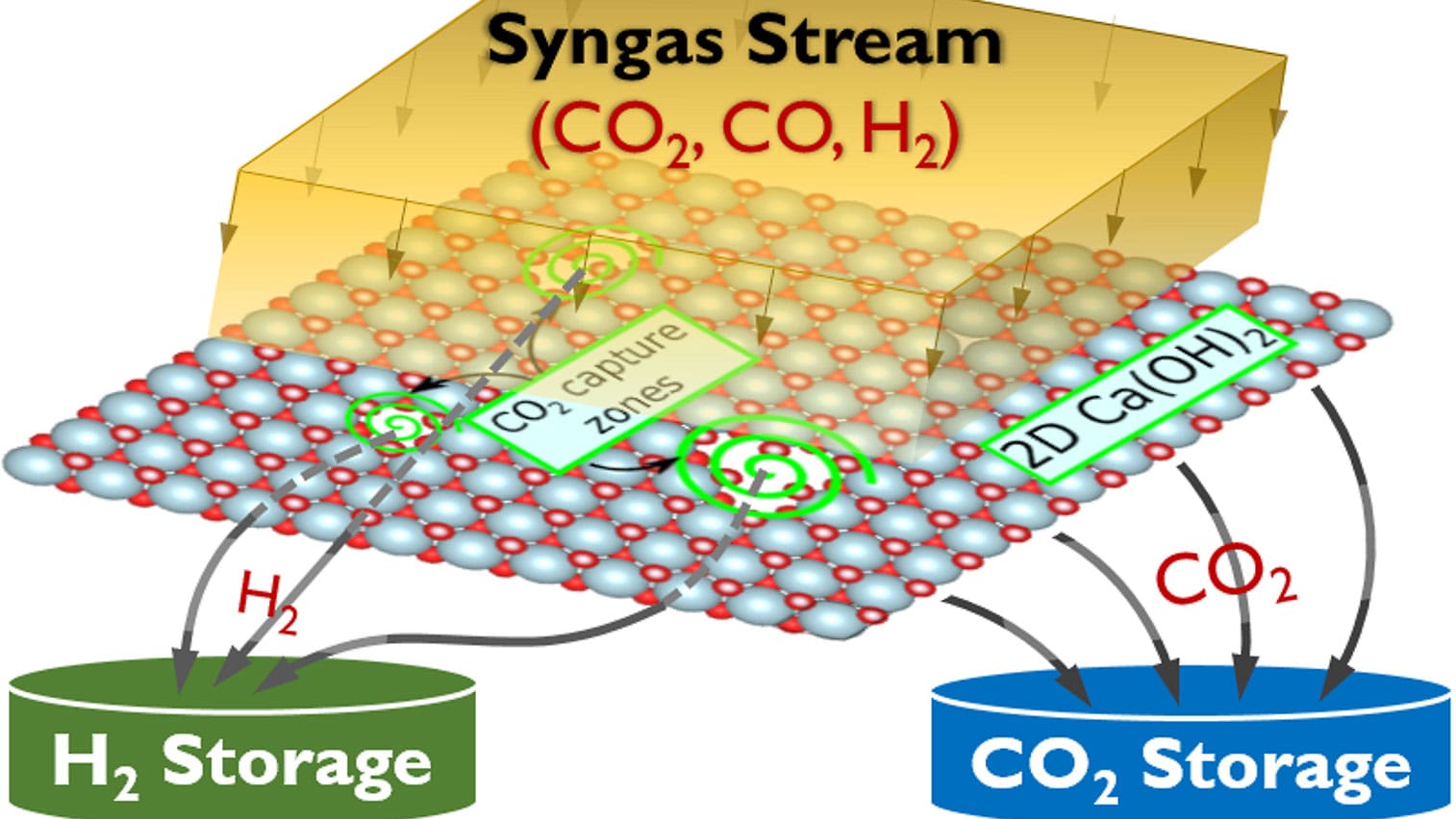
Princeton CarbonWorks is a company that manufactures advanced carbon materials for a variety of industries, including the automotive, aerospace, and energy sectors. The company’s products are used in a variety of applications, such as lightweighting vehicles, improving the efficiency of solar cells, and capturing carbon dioxide from industrial emissions.
Princeton CarbonWorks was founded in 2012 by a team of scientists and engineers from Princeton University. The company’s mission is to develop and commercialize carbon materials that can help to reduce greenhouse gas emissions and improve energy efficiency. Princeton CarbonWorks has received funding from a variety of sources, including the U.S. Department of Energy, the National Science Foundation, and private investors.
Princeton CarbonWorks is a leader in the field of carbon materials research and development. The company’s products have the potential to make a significant impact on the global economy and environment. Princeton CarbonWorks is a company to watch in the years to come.
1. Materials science
Princeton CarbonWorks is a leader in the development and manufacturing of advanced carbon materials. The company’s materials science expertise is a key component of its success. Princeton CarbonWorks has developed a number of innovative carbon materials, including carbon fiber, carbon nanotubes, and graphene. These materials are used in a variety of applications, including automotive, aerospace, and energy.
Carbon fiber is a strong and lightweight material that is used in a variety of applications, including automotive and aerospace. Carbon nanotubes are tiny cylinders of carbon atoms that have a wide range of potential applications, including electronics and energy storage. Graphene is a two-dimensional sheet of carbon atoms that is one of the strongest and most conductive materials known. It has a wide range of potential applications, including electronics, energy storage, and water purification.
Princeton CarbonWorks’ materials science expertise has enabled the company to develop a number of innovative products. For example, the company’s carbon fiber is used in the production of lightweight and fuel-efficient vehicles. The company’s carbon nanotubes are used in the development of new energy storage technologies. And the company’s graphene is used in the development of new electronics and water purification technologies.
Princeton CarbonWorks is a key player in the global carbon materials industry. The company’s innovative materials are used in a variety of applications, and the company is constantly investing in research and development to develop new and improved materials. Princeton CarbonWorks is a company to watch in the years to come.
2. Manufacturing
Princeton CarbonWorks has developed a proprietary process for producing carbon fiber that is stronger and more affordable than traditional carbon fiber. This is a significant breakthrough, as carbon fiber is a lightweight and strong material that is used in a variety of applications, including automotive, aerospace, and energy. The traditional process for producing carbon fiber is expensive and time-consuming, which has limited its use in many applications. Princeton CarbonWorks’ new process overcomes these challenges, making carbon fiber more accessible and affordable.
The development of this new process is a major milestone for Princeton CarbonWorks. It is a testament to the company’s commitment to innovation and its ability to develop new and improved materials. The new process has the potential to revolutionize the carbon fiber industry and open up new possibilities for the use of carbon fiber in a variety of applications.
Princeton CarbonWorks is a leader in the development and manufacturing of advanced carbon materials. The company’s new process for producing carbon fiber is a significant breakthrough that has the potential to revolutionize the carbon fiber industry. Princeton CarbonWorks is a company to watch in the years to come.
3. Sustainability
Princeton CarbonWorks is a leader in the development and manufacturing of advanced carbon materials. The company’s products are used in a variety of applications, including automotive, aerospace, and energy. Princeton CarbonWorks is committed to sustainability, and its products are designed to be environmentally friendly and sustainable.
One of the ways that Princeton CarbonWorks products are sustainable is that they are made from renewable resources. Carbon fiber is made from polyacrylonitrile (PAN), which is a synthetic polymer that is derived from natural gas. PAN is a renewable resource, and it can be produced from a variety of sources, including coal, natural gas, and biomass.Princeton CarbonWorks’ products are also sustainable because they are recyclable. Carbon fiber can be recycled into new carbon fiber products, or it can be used to make other materials, such as concrete and asphalt. Recycling carbon fiber helps to reduce the amount of waste that goes to landfills, and it also conserves natural resources.
In addition to being made from renewable resources and recyclable, Princeton CarbonWorks’ products are also designed to be lightweight and durable. This means that they can help to reduce the weight of vehicles and aircraft, which can lead to improved fuel efficiency and reduced emissions. Princeton CarbonWorks’ products are also resistant to corrosion and wear, which means that they can last for a long time without needing to be replaced.
Princeton CarbonWorks’ commitment to sustainability is evident in all of its products. The company’s products are made from renewable resources, they are recyclable, and they are lightweight and durable. Princeton CarbonWorks is a leader in the development and manufacturing of sustainable carbon materials.
4. Innovation
Princeton CarbonWorks is committed to innovation. The company reinvests a significant portion of its revenue into research and development to create new and improved carbon materials. This commitment to innovation has resulted in a number of breakthroughs, including the development of the company’s proprietary process for producing carbon fiber. This process produces carbon fiber that is stronger and more affordable than traditional carbon fiber, making it a more viable option for a wider range of applications.
- New materials: Princeton CarbonWorks is constantly developing new carbon materials with improved properties. For example, the company has developed a new type of carbon fiber that is stronger and more flexible than traditional carbon fiber. This new material has the potential to be used in a variety of applications, including automotive, aerospace, and energy.
- Improved processes: Princeton CarbonWorks is also working to improve its existing processes for producing carbon materials. For example, the company has developed a new process for producing carbon nanotubes that is more efficient and less expensive than traditional methods. This new process has the potential to make carbon nanotubes more affordable for a wider range of applications.
- New applications: Princeton CarbonWorks is also exploring new applications for its carbon materials. For example, the company is working to develop carbon-based batteries that could store energy more efficiently than traditional batteries. This technology has the potential to revolutionize the way we power our homes and businesses.
- Partnerships: Princeton CarbonWorks is also partnering with other companies to develop new carbon-based technologies. For example, the company is working with Ford Motor Company to develop carbon fiber-reinforced composites for use in automotive applications. This partnership has the potential to make vehicles lighter and more fuel-efficient.
Princeton CarbonWorks’ commitment to innovation is evident in its products and its partnerships. The company is constantly developing new and improved carbon materials, and it is working to find new applications for these materials. Princeton CarbonWorks’ innovations have the potential to revolutionize a wide range of industries, including automotive, aerospace, and energy.
5. Partnerships
Princeton CarbonWorks’ partnerships with leading companies in the automotive, aerospace, and energy industries are a key part of the company’s success. These partnerships allow Princeton CarbonWorks to access new markets, develop new products, and improve its manufacturing processes.
- Automotive: Princeton CarbonWorks has partnered with Ford Motor Company to develop carbon fiber-reinforced composites for use in automotive applications. This partnership has the potential to make vehicles lighter and more fuel-efficient.
- Aerospace: Princeton CarbonWorks has partnered with Boeing to develop carbon fiber-reinforced composites for use in aircraft applications. This partnership has the potential to make aircraft lighter and more fuel-efficient.
- Energy: Princeton CarbonWorks has partnered with General Electric to develop carbon fiber-reinforced composites for use in wind turbine blades. This partnership has the potential to make wind turbines more efficient and cost-effective.
Princeton CarbonWorks’ partnerships with leading companies in the automotive, aerospace, and energy industries are a testament to the company’s commitment to innovation and its ability to develop new and improved carbon materials. These partnerships are helping Princeton CarbonWorks to bring its products to market and to make a positive impact on a variety of industries.
FAQs about Princeton CarbonWorks
This section provides answers to frequently asked questions about Princeton CarbonWorks, a leading company in the development and manufacturing of advanced carbon materials.
Question 1: What are carbon materials?
Answer: Carbon materials are materials that are composed primarily of carbon atoms. They can exist in various forms, including carbon fiber, carbon nanotubes, and graphene. These materials have unique properties, such as high strength, low weight, and excellent electrical and thermal conductivity.
Question 2: What are the applications of carbon materials?
Answer: Carbon materials have a wide range of applications across various industries, including automotive, aerospace, energy, and electronics. They are used in lightweight and fuel-efficient vehicles, aircraft components, wind turbine blades, and energy storage devices, among others.
Question 3: How is Princeton CarbonWorks involved in the carbon materials industry?
Answer: Princeton CarbonWorks is a global leader in the development and manufacturing of advanced carbon materials. The company’s innovative materials and technologies are used by leading companies in the automotive, aerospace, and energy industries.
Question 4: What sets Princeton CarbonWorks apart from other companies in the industry?
Answer: Princeton CarbonWorks is known for its commitment to innovation and its ability to develop new and improved carbon materials. The company has a strong research and development team that is constantly working on new technologies and applications.
Question 5: What are the sustainability initiatives of Princeton CarbonWorks?
Answer: Princeton CarbonWorks is committed to sustainability and environmental responsibility. The company’s products are designed to be lightweight and durable, which can contribute to energy efficiency and reduced emissions. Additionally, the company invests in renewable energy sources and recycling programs.
Question 6: How can I learn more about Princeton CarbonWorks?
Answer: You can visit the Princeton CarbonWorks website, follow the company on social media, or contact the company directly for more information.
These FAQs provide a brief overview of Princeton CarbonWorks and its involvement in the carbon materials industry. For more detailed information, please refer to the company’s website or contact the company directly.
Transition to the next article section…
Tips from Princeton CarbonWorks
Princeton CarbonWorks is a leading company in the development and manufacturing of. The company’s mission is to develop and commercialize carbon materials that can help to reduce greenhouse gas emissions and improve energy efficiency.
Here are five tips from Princeton CarbonWorks on how to use carbon materials to improve sustainability:
Tip 1: Use carbon fiber to lightweight vehicles. Carbon fiber is a strong and lightweight material that can be used to make vehicles more fuel-efficient. Princeton CarbonWorks’ carbon fiber is used in the production of lightweight and fuel-efficient vehicles.
Tip 2: Use carbon nanotubes to improve the efficiency of solar cells. Carbon nanotubes are tiny cylinders of carbon atoms that can be used to improve the efficiency of solar cells. Princeton CarbonWorks’ carbon nanotubes are used in the development of new solar cell technologies.
Tip 3: Use graphene to capture carbon dioxide from industrial emissions. Graphene is a two-dimensional sheet of carbon atoms that can be used to capture carbon dioxide from industrial emissions. Princeton CarbonWorks’ graphene is used in the development of new carbon capture technologies.
Tip 4: Invest in research and development of carbon materials. Princeton CarbonWorks is committed to investing in research and development of carbon materials. The company’s research and development efforts are focused on developing new and improved carbon materials that can be used to reduce greenhouse gas emissions and improve energy efficiency.
Tip 5: Partner with Princeton CarbonWorks to develop new carbon-based technologies. Princeton CarbonWorks is open to partnering with other companies to develop new carbon-based technologies. The company’s partnerships with leading companies in the automotive, aerospace, and energy industries are a testament to its commitment to innovation and its ability to develop new and improved carbon materials.
By following these tips, you can help to reduce greenhouse gas emissions and improve energy efficiency.
These tips from Princeton CarbonWorks are just a starting point. There are many other ways to use carbon materials to improve sustainability. With continued research and development, carbon materials have the potential to make a major impact on the global economy and environment.
Conclusion
Princeton CarbonWorks is a leading company in the development and manufacturing of advanced carbon materials. The company’s mission is to develop and commercialize carbon materials that can help to reduce greenhouse gas emissions and improve energy efficiency.
Princeton CarbonWorks’ products are used in a variety of applications, including automotive, aerospace, and energy. The company’s commitment to innovation and sustainability has made it a leader in the carbon materials industry. Princeton CarbonWorks is a company to watch in the years to come.