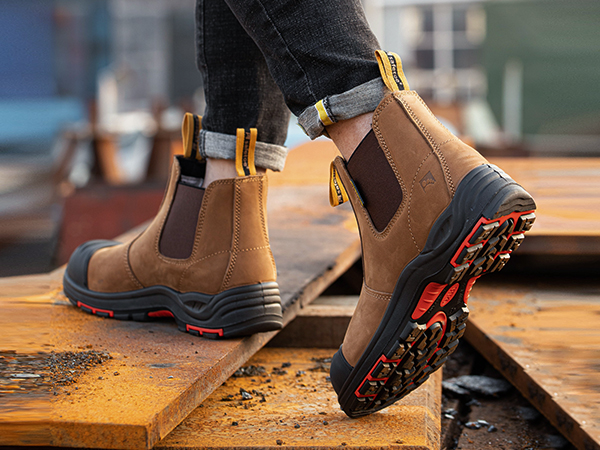
For individuals who spend extended periods on their feet, particularly in demanding work environments, selecting the best work boot insoles is crucial for ensuring comfort, support, and foot health. Work boot insoles are designed to provide additional cushioning, arch support, and moisture management, enhancing the overall functionality and longevity of work boots.
The importance of work boot insoles extends beyond comfort. They play a vital role in preventing foot fatigue, reducing the risk of injuries such as plantar fasciitis and heel spurs, and improving posture. Historically, work boots were often uncomfortable and lacked proper support, leading to foot problems and reduced productivity. However, with the advancement of insole technology, workers can now enjoy the benefits of customized support and cushioning, tailored to their specific foot needs.
This article delves into the key considerations for choosing the best work boot insoles, including factors such as material, arch support, cushioning, and moisture-wicking capabilities. Additionally, it explores the different types of insoles available, from over-the-counter options to custom-molded insoles, and provides guidance on proper insole care and maintenance. By understanding the importance and benefits of work boot insoles, individuals can make informed decisions to optimize their foot health and enhance their work performance.
1. Cushioning
In the context of work boot insoles, cushioning plays a pivotal role in enhancing comfort and mitigating foot fatigue. Work environments often involve prolonged standing, walking, and strenuous activities that subject the feet to high levels of impact and stress. Cushioned insoles act as shock absorbers, effectively dissipating these forces and reducing the strain on the feet, ankles, and legs.
The importance of cushioning in work boot insoles is particularly evident in occupations that require extended periods of standing or walking on hard surfaces, such as construction, manufacturing, and healthcare. Without proper cushioning, the repeated impact and pressure can lead to discomfort, fatigue, and even foot injuries. Cushioned insoles provide a layer of protection, absorbing shock and reducing stress on the plantar fascia, a thick band of tissue that runs along the bottom of the foot and supports the arch.
Furthermore, cushioned insoles can enhance overall work performance by reducing fatigue and promoting foot health. When feet are comfortable and well-supported, individuals can focus on their tasks without being distracted by foot pain or discomfort. This can lead to increased productivity and efficiency, as well as improved safety by reducing the risk of slips, trips, and falls.
In conclusion, cushioning is an essential aspect of work boot insoles, providing numerous benefits that contribute to foot comfort, reduced fatigue, and improved overall work performance. By absorbing impact and reducing stress on the feet, cushioned insoles play a vital role in promoting foot health and well-being in work environments.
2. Support
In the context of work boot insoles, support is a crucial aspect that contributes to foot health and overall well-being. Work environments often involve demanding physical activities and prolonged periods of standing or walking, which can put a significant strain on the feet and lead to discomfort, pain, and even injuries.
-
Facet 1: Arch Support
Arch support is a key feature of work boot insoles as it helps maintain the natural alignment of the foot, preventing excessive pronation or supination. Pronation refers to the inward rolling of the foot, while supination refers to the outward rolling of the foot. Both excessive pronation and supination can lead to foot pain, fatigue, and injuries such as plantar fasciitis, heel spurs, and ankle sprains. -
Facet 2: Stability
Work boot insoles provide stability by enhancing the overall structure of the boot and reducing excessive movement within the footwear. This stability helps prevent the foot from sliding around inside the boot, reducing friction and the risk of blisters and other foot injuries. Stable insoles also contribute to improved balance and posture, reducing the strain on the feet, ankles, and knees. -
Facet 3: Prevention of Foot Pain and Injuries
By providing adequate support and stability, work boot insoles play a vital role in preventing foot pain and injuries. Proper arch support helps distribute weight evenly across the foot, reducing pressure points and preventing the development of foot pain. Stability reduces excessive movement and friction, minimizing the risk of blisters, calluses, and other foot injuries. -
Facet 4: Enhanced Comfort and Performance
Beyond preventing pain and injuries, supportive work boot insoles enhance overall comfort and performance. When the foot is properly supported and stable, individuals can stand, walk, and work for longer periods without experiencing discomfort or fatigue. This increased comfort leads to improved productivity and efficiency, as well as reduced absenteeism due to foot-related issues.
In conclusion, support is a fundamental aspect of work boot insoles, providing arch support and stability that prevents foot pain and injuries. By maintaining the natural alignment of the foot, reducing excessive movement, and distributing weight evenly, supportive insoles promote foot health, enhance comfort, and improve overall work performance.
3. Moisture Management
In the realm of work boot insoles, moisture management is an often overlooked yet crucial aspect that contributes to foot health, comfort, and overall well-being. Work environments, by their very nature, can be physically demanding and involve prolonged periods of standing, walking, or strenuous activity. These conditions can lead to excessive sweating, creating a moist environment within the boot.
Without proper moisture management, this sweat can accumulate, leading to a range of problems. Damp, sweaty feet can become a breeding ground for bacteria and fungi, increasing the risk of foot infections, odor, and athlete’s foot. Additionally, moisture can break down the materials of the insole and boot, reducing their effectiveness and lifespan.
Best work boot insoles prioritize moisture management by incorporating materials and designs that wick away sweat, keeping feet dry and preventing odor. Moisture-wicking insoles are typically made from absorbent materials such as merino wool, bamboo charcoal, or synthetic fabrics that draw sweat away from the skin and disperse it throughout the insole. This process helps regulate foot temperature, prevents excessive moisture buildup, and creates a more hygienic environment within the boot.
The importance of moisture management in work boot insoles extends beyond comfort and hygiene. Dry feet are less prone to blisters, chafing, and other foot injuries. Additionally, moisture-wicking insoles can help prevent foot odor, a common problem in work environments where boots are worn for extended periods. Odor-causing bacteria thrive in moist environments, so keeping feet dry helps reduce their growth and the associated unpleasant smells.
4. Durability
In the context of work boot insoles, durability is a crucial aspect that directly impacts the longevity and effectiveness of these essential accessories. Work environments often pose demanding conditions, characterized by rough terrain, heavy lifting, and prolonged periods of standing or walking. Durable work boot insoles are designed to withstand these challenges, providing consistent support, comfort, and protection throughout their lifespan.
-
Facet 1: Resistance to Wear and Tear
Durable work boot insoles are constructed from robust materials that resist wear and tear, ensuring they can endure the rigors of work environments. They are designed to withstand abrasion, punctures, and compression, maintaining their structural integrity even under heavy use. This resistance to wear and tear extends the lifespan of the insoles, providing long-lasting comfort and support. -
Facet 2: Resilience in Harsh Conditions
Work environments can expose insoles to harsh conditions, such as moisture, extreme temperatures, and exposure to chemicals. Durable work boot insoles are designed to withstand these conditions, preventing degradation or damage that could compromise their effectiveness. They are often treated with water-resistant or water-repellent coatings to prevent moisture absorption and maintain their cushioning and support properties. -
Facet 3: Ability to Withstand Heavy Loads
Work environments often involve lifting heavy objects or carrying significant loads. Durable work boot insoles are engineered to provide adequate support and cushioning, even under heavy loads. They distribute weight evenly across the foot, reducing pressure points and preventing discomfort or foot fatigue. The ability to withstand heavy loads ensures that the insoles maintain their integrity and provide consistent support throughout the workday. -
Facet 4: Long-Term Performance
The durability of work boot insoles translates into long-term performance and cost-effectiveness. Durable insoles can last for an extended period, providing consistent comfort and support without the need for frequent replacements. This reduces the overall cost of ownership and ensures that workers have reliable foot support throughout the life of their work boots.
In conclusion, durability is a vital aspect of work boot insoles, ensuring they withstand the demanding conditions of work environments and provide long-lasting comfort and support. Durable insoles are resistant to wear and tear, resilient in harsh conditions, able to withstand heavy loads, and deliver long-term performance. By investing in durable work boot insoles, individuals can enhance their foot health, improve their work performance, and reduce the overall cost of footwear maintenance.
5. Fit
In the realm of work boot insoles, fit plays a pivotal role in delivering optimal comfort, support, and performance. Work boots are often worn for extended periods in demanding environments, making a proper fit essential for maintaining foot health and well-being. Best work boot insoles conform to the unique shape of the foot, providing a customized and comfortable experience that enhances overall work performance.
A well-fitting insole provides several key benefits. Firstly, it ensures proper weight distribution across the foot, reducing pressure points and preventing discomfort or pain. This is particularly important in work environments where prolonged standing or walking is required. Secondly, a customized fit minimizes excessive movement within the boot, reducing friction and the risk of blisters and other foot injuries. Thirdly, a comfortable fit promotes good posture and balance, reducing strain on the feet, ankles, and knees.
Best work boot insoles are designed to accommodate different foot shapes and sizes. They are available in a range of materials, including memory foam, gel, and cork, each providing unique cushioning and support properties. Some insoles are moldable, allowing them to be customized to the exact contours of the foot. This level of customization ensures a snug and supportive fit, maximizing comfort and minimizing the risk of foot problems.
Investing in a pair of best work boot insoles that fit properly is a worthwhile investment in foot health and overall well-being. Properly fitted insoles can significantly reduce foot fatigue, improve circulation, and enhance productivity. They can also extend the lifespan of work boots by providing additional support and cushioning, reducing wear and tear on the boot’s materials.
In conclusion, fit is a crucial aspect of best work boot insoles, directly impacting comfort, support, and performance. By conforming to the shape of the foot, customized insoles provide numerous benefits, including reduced pressure points, minimized friction, improved posture, and enhanced productivity. Investing in a pair of work boot insoles that fit properly is a smart choice for individuals who prioritize foot health and well-being in demanding work environments.
6. Material
The choice of material plays a significant role in determining the effectiveness and comfort of work boot insoles. Different materials offer unique properties that cater to specific foot needs and work environments.
Traditional materials like leather are known for their durability and breathability. Leather insoles conform to the shape of the foot over time, providing a customized fit. However, leather can be susceptible to moisture and may not provide sufficient cushioning for prolonged standing or heavy work.
Advanced foams, such as memory foam and polyurethane, offer excellent cushioning and shock absorption. Memory foam molds to the contours of the foot, distributing pressure evenly and reducing fatigue. Polyurethane foam is lightweight and provides a high level of energy return, making it ideal for activities that require a lot of movement.
Other materials used in work boot insoles include gel, cork, and rubber. Gel insoles provide targeted cushioning and support, while cork insoles are naturally antimicrobial and moisture-wicking. Rubber insoles are durable and slip-resistant, making them suitable for wet or oily work environments.
Understanding the different materials used in work boot insoles is essential for choosing the best insoles for your specific needs. Consider factors such as your foot type, work environment, and activities performed. By selecting the right material, you can optimize comfort, support, and performance while wearing your work boots.
Frequently Asked Questions about Best Work Boot Insoles
This section addresses commonly asked questions and misconceptions regarding the use of best work boot insoles. By providing informative and straightforward answers, we aim to empower individuals with the knowledge they need to make informed decisions about their foot health and comfort in work environments.
Question 1: Are work boot insoles necessary?
Answer: Yes, work boot insoles are highly recommended for individuals who spend extended periods on their feet in demanding work environments. They provide additional cushioning, arch support, and moisture management, enhancing overall comfort and reducing the risk of foot fatigue, injuries, and discomfort.
Question 2: How often should I replace my work boot insoles?
Answer: The frequency of insole replacement depends on usage and wear patterns. As a general guideline, insoles should be replaced every 6 to 12 months, or sooner if they become noticeably worn or lose their cushioning and support properties.
Question 3: What type of material is best for work boot insoles?
Answer: The choice of material depends on individual needs and preferences. Leather insoles offer durability and breathability, while advanced foams like memory foam and polyurethane provide excellent cushioning and shock absorption. Gel insoles provide targeted support, cork insoles are naturally antimicrobial, and rubber insoles are slip-resistant.
Question 4: How do I choose the right size of work boot insoles?
Answer: Insoles should match the size and shape of your feet. Most manufacturers offer insoles in a range of sizes to accommodate different foot types. Refer to the manufacturer’s sizing guide or consult a footwear specialist to determine the correct size for your feet.
Question 5: Can I use work boot insoles in other types of footwear?
Answer: While work boot insoles are primarily designed for work boots, they may be suitable for use in other types of footwear, such as hiking boots or athletic shoes. However, it’s important to consider the fit and compatibility of the insoles with the specific footwear.
Question 6: How do I care for my work boot insoles?
Answer: To maintain the effectiveness and longevity of your work boot insoles, follow the care instructions provided by the manufacturer. This may include hand washing or machine washing on a gentle cycle with mild detergent, and air drying thoroughly.
In conclusion, work boot insoles play a crucial role in promoting foot health, comfort, and performance in work environments. Understanding the importance of work boot insoles and addressing common concerns can help individuals make informed decisions about their footwear choices and prioritize their foot well-being.
Transition to the next article section: For further insights into maximizing foot comfort and safety at work, refer to our comprehensive guide on selecting the best work boots.
Tips for Choosing the Best Work Boot Insoles
To maximize the benefits of work boot insoles and ensure optimal foot health and comfort, consider the following tips:
Tip 1: Assess Your Needs
Identify your specific foot needs and work environment demands. Consider factors such as foot type, arch height, weight, and activities performed to determine the appropriate level of cushioning, support, and moisture management required.
Tip 2: Choose the Right Material
Select insole materials based on their unique properties. Leather provides durability and breathability, memory foam offers exceptional cushioning, and gel targets specific areas of support. Consider your work environment and foot needs to determine the most suitable material.
Tip 3: Ensure a Proper Fit
Work boot insoles should fit snugly and comfortably within your boots. Use insoles that match the size and shape of your feet to avoid discomfort, blisters, and foot pain. Refer to the manufacturer’s sizing guide or consult a footwear specialist for assistance.
Tip 4: Replace Insoles Regularly
Work boot insoles gradually lose their effectiveness over time due to wear and tear. Replace your insoles every 6 to 12 months, or sooner if they become noticeably worn or lose their cushioning and support properties.
Tip 5: Care for Your Insoles
Follow the manufacturer’s care instructions to maintain the longevity and effectiveness of your work boot insoles. This may include hand washing or machine washing on a gentle cycle with mild detergent, and air drying thoroughly.
Tip 6: Consider Custom Insoles
For individuals with specific foot problems or biomechanical issues, custom-molded insoles may be necessary. These insoles are designed to provide personalized support and address unique foot needs.
Tip 7: Seek Professional Advice
Consult a podiatrist or footwear specialist for professional guidance on selecting the best work boot insoles for your individual requirements. They can assess your feet, analyze your gait, and recommend insoles that meet your specific needs.
By following these tips, you can choose and utilize work boot insoles effectively to enhance foot comfort, support, and overall well-being in demanding work environments. Investing in high-quality insoles is a smart choice for individuals who prioritize foot health and performance at work.
For further insights into maximizing foot comfort and safety at work, refer to our comprehensive guide on selecting the best work boots.
Best Work Boot Insoles
This article has explored the significance of best work boot insoles, emphasizing their role in enhancing foot comfort, support, and overall well-being in work environments. By understanding the key aspects of work boot insoles, including cushioning, support, moisture management, durability, fit, and material, individuals can make informed decisions when selecting insoles that meet their specific needs.
Investing in high-quality work boot insoles is not merely a matter of comfort but also a proactive measure to prevent foot fatigue, injuries, and long-term foot problems. Choosing the right insoles can significantly improve productivity, reduce absenteeism, and promote overall health and well-being at work. By following the tips outlined in this article and consulting with professionals when necessary, individuals can harness the benefits of work boot insoles and prioritize their foot health in demanding work environments.