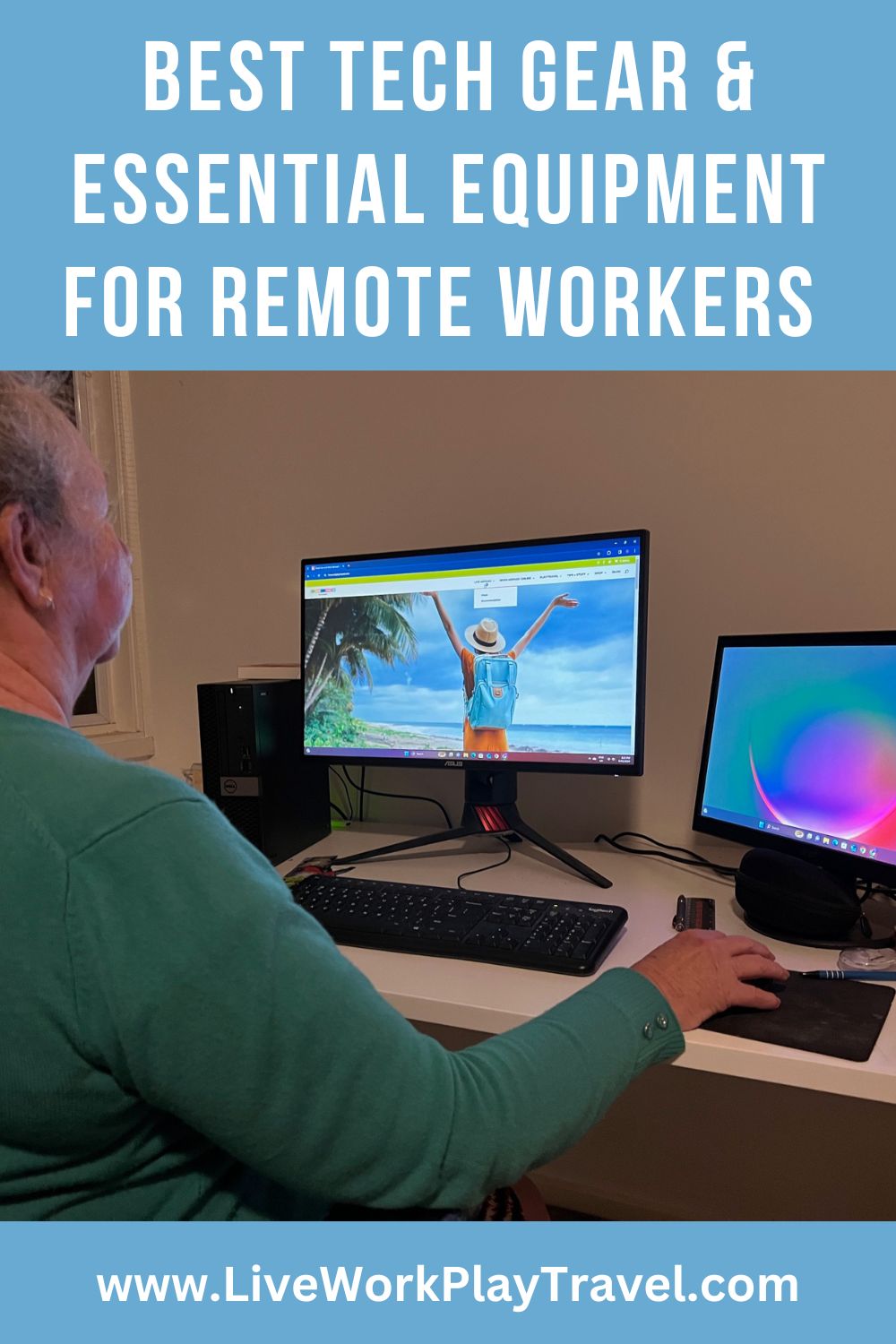
Work from home equipment provided refers to the equipment and supplies that an employer provides to employees who work remotely from their homes. This can include a variety of items, such as computers, laptops, desks, chairs, and other office supplies.
Providing employees with the necessary equipment to work from home can have a number of benefits for both the employer and the employee. For the employer, it can help to improve productivity and reduce absenteeism. For the employee, it can provide a more flexible and comfortable work environment.
In recent years, there has been a growing trend towards remote work. This is due in part to the increasing availability of technology that makes it possible to work from anywhere. As more and more companies adopt remote work policies, it is becoming increasingly important to provide employees with the equipment they need to be successful.
1. Ergonomics
In the context of work from home equipment provided, ergonomics plays a crucial role in ensuring employees’ well-being and productivity. Ergonomic equipment is designed to minimize physical discomfort and prevent strain or injuries resulting from prolonged use.
-
Posture Support
Ergonomic chairs and desks promote proper posture by providing adjustable features that allow employees to customize their workspace to suit their body dimensions. This helps reduce the risk of back pain, neck strain, and other musculoskeletal issues. -
Reduced Repetitive Strain
Ergonomic keyboards and mice are designed to reduce strain on the hands and wrists. They feature contoured shapes, cushioned surfaces, and programmable buttons that minimize repetitive motions and promote a more natural hand position. -
Eye Strain Prevention
Ergonomic monitors are equipped with anti-glare screens, adjustable brightness and contrast settings, and a wider viewing angle. These features help reduce eye strain and fatigue, especially during extended periods of computer use. -
Improved Circulation
Footrests and standing desks encourage movement and improve circulation. By allowing employees to alternate between sitting and standing positions, these ergonomic accessories help prevent leg cramps, swelling, and other circulatory issues.
Investing in ergonomic work from home equipment provided not only enhances employee comfort and health but also contributes to increased productivity and job satisfaction. By reducing physical discomfort and strain, employees can focus better on their tasks, experience less absenteeism, and maintain a healthier work-life balance.
2. Functionality
In the context of work from home equipment provided, functionality plays a critical role in ensuring that employees have the tools they need to perform their jobs effectively and efficiently. The right equipment can enhance productivity, accuracy, and overall job satisfaction.
-
Task-Specific Features
Equipment should be tailored to the specific tasks that employees need to perform. For example, graphic designers may require high-performance computers with specialized graphics cards, while customer service representatives may need headsets with noise-canceling capabilities. -
Compatibility and Integration
Equipment should be compatible with the software and systems that employees use. This includes ensuring that computers can run the necessary applications and that peripherals, such as printers and scanners, can seamlessly integrate with the home network. -
Reliability and Durability
Work from home equipment provided should be reliable and durable enough to withstand regular use. Frequent equipment failures or malfunctions can disrupt workflow and lead to lost productivity. -
User-Friendliness
Equipment should be easy for employees to use, even if they are not tech-savvy. Intuitive interfaces, clear instructions, and readily available support resources can help employees get up and running quickly.
By providing employees with functional work from home equipment, organizations can empower them to work independently and productively from remote locations. This can lead to increased job satisfaction, reduced turnover, and improved overall business performance.
3. Reliability
In the context of work from home equipment provided, reliability is of paramount importance. Dependable equipment that minimizes downtime is crucial for maintaining productivity and ensuring seamless remote work operations.
Unreliable equipment can lead to a number of problems, including:
- Interruptions in workflow: Equipment failures or malfunctions can disrupt employees’ workflow, causing delays and lost productivity.
- Data loss: In some cases, equipment failures can result in data loss, which can be catastrophic for businesses.
- Increased stress levels: Dealing with unreliable equipment can be stressful for employees, leading to decreased job satisfaction and motivation.
To avoid these problems, it is essential for employers to provide employees with reliable work from home equipment. This includes:
- Purchasing high-quality equipment from reputable manufacturers.
- Regularly maintaining and servicing equipment to prevent breakdowns.
- Having a backup plan in place in case of equipment failure.
By providing reliable work from home equipment, employers can help employees to be more productive, efficient, and satisfied with their remote work arrangements.
4. Security
In the context of work from home equipment provided, security plays a critical role in protecting sensitive company data and ensuring compliance with relevant regulations. Remote work arrangements introduce unique security challenges that need to be addressed to prevent data breaches and other security incidents.
Unsecured work from home equipment can provide an entry point for unauthorized individuals to access sensitive company data. This can include financial information, customer data, and intellectual property. In addition, unsecured equipment can be used to spread malware and viruses throughout the company’s network.
To mitigate these risks, it is essential for employers to provide employees with secure work from home equipment. This includes:
- Providing employees with company-issued laptops or computers that are equipped with security software and firewalls.
- Requiring employees to use strong passwords and to change them regularly.
- Educating employees on security best practices, such as being cautious about clicking on links in emails and not downloading files from untrusted sources.
By providing secure work from home equipment and educating employees on security best practices, employers can help to protect sensitive company data and comply with relevant regulations.
5. Support
In the context of “work from home equipment provided”, access to technical support plays a vital role in ensuring the smooth functioning of remote work arrangements. Here are some key facets to consider:
-
Remote Troubleshooting
Technical support should be able to remotely troubleshoot and resolve equipment issues faced by employees working from home. This includes resolving software glitches, network connectivity problems, and hardware malfunctions. -
Rapid Response Times
Timely support is crucial for minimizing disruptions to work. Technical support should have clear service level agreements (SLAs) for response and resolution times to ensure that employees receive assistance promptly. -
Multiple Support Channels
Employees should have access to multiple support channels, such as phone, email, and chat, to contact technical support. This provides flexibility and convenience, allowing employees to choose the channel that best suits their needs. -
Proactive Monitoring
In addition to reactive support, technical support should also proactively monitor equipment to identify potential issues and resolve them before they impact employee productivity.
By providing access to reliable and comprehensive technical support, organizations can empower their remote employees to resolve equipment issues quickly and efficiently, minimizing downtime and maintaining productivity.
FAQs on Work From Home Equipment Provided
This section addresses frequently asked questions about work from home equipment provided, offering clear and informative answers.
Question 1: What types of equipment are typically provided for work from home arrangements?
Answer: The specific equipment provided may vary depending on the nature of the job and the company’s policies. However, common equipment provided includes laptops, desktops, monitors, keyboards, mice, headsets, webcams, and office furniture such as chairs and desks.
Question 2: Who is responsible for the maintenance and repair of the provided equipment?
Answer: Typically, the employer is responsible for maintaining and repairing any equipment provided to employees for work from home purposes. This includes regular maintenance, software updates, and repairs in case of any malfunctions or breakdowns.
Question 3: Can employees use their personal equipment for work purposes?
Answer: In some cases, employers may allow employees to use their personal equipment for work. However, it’s important to establish clear policies and guidelines to ensure that personal devices meet the necessary security and performance standards required for work.
Question 4: What are the security considerations for using work from home equipment?
Answer: Security is a crucial aspect of work from home equipment. Employers should implement measures such as data encryption, strong passwords, and regular security updates to protect sensitive company information and prevent unauthorized access.
Question 5: How can employees ensure the ergonomics and comfort of their work from home setup?
Answer: Maintaining ergonomics and comfort is essential for employee well-being and productivity. Employees should pay attention to proper posture, adjust their workstations to suit their individual needs, and take regular breaks to avoid strain or injuries.
Question 6: What should employees do if they encounter any issues or have questions about their work from home equipment?
Answer: Employees should promptly report any issues or concerns regarding their work from home equipment to their supervisor or designated support team. This allows for timely troubleshooting and resolution, minimizing disruptions to work.
In summary, providing employees with the necessary equipment for working from home effectively requires careful planning, implementation, and ongoing support. By addressing common questions and concerns, organizations can create a productive and secure work from home environment for their employees.
Transition to the next article section:
Moving beyond the provision of equipment, the next section explores strategies for managing and optimizing remote work arrangements to enhance employee productivity and well-being.
Tips for Optimizing Work from Home Equipment Provided
To maximize the effectiveness of work from home equipment provided, consider implementing these tips:
Tip 1: Establish Clear Policies and Guidelines
Define the company’s expectations and requirements for using work from home equipment. This includes outlining the types of equipment provided, maintenance responsibilities, and security protocols.
Tip 2: Provide Regular Maintenance and Support
Implement a proactive maintenance schedule to ensure equipment is functioning optimally. Establish a dedicated support team to promptly address any technical issues or queries from employees.
Tip 3: Prioritize Ergonomics and Comfort
Encourage employees to create a comfortable and ergonomic workspace. This may involve providing adjustable chairs, desks, and other accessories to promote good posture and reduce strain.
Tip 4: Promote Equipment Security
Implement robust security measures to protect company data and prevent unauthorized access. This includes enforcing strong password policies, enabling encryption, and conducting regular security audits.
Tip 5: Encourage Employee Input and Feedback
Regularly gather feedback from employees to identify areas for improvement. This may involve conducting surveys or holding focus groups to understand their needs and preferences regarding equipment and support.
Tip 6: Consider Employee Training and Development
Provide training to employees on how to use and maintain their work from home equipment effectively. This can include onboarding sessions, user manuals, and access to online resources.
Tip 7: Foster a Culture of Responsibility
Emphasize the importance of employee responsibility in maintaining and using equipment properly. Encourage employees to report any issues promptly and to follow established guidelines.
Tip 8: Continuously Evaluate and Adapt
Regularly review and evaluate the effectiveness of your work from home equipment program. Based on feedback and changing needs, make necessary adjustments to optimize productivity and employee satisfaction.
Summary of Key Takeaways:
- Clear policies and guidelines ensure proper use and maintenance of equipment.
- Regular maintenance and support minimize disruptions and downtime.
- Prioritizing ergonomics and comfort enhances employee well-being and productivity.
- Robust security measures protect sensitive company data.
- Employee input and feedback drive continuous improvement.
By implementing these tips, organizations can optimize their work from home equipment programs, empowering employees to work effectively and securely from remote locations.
Transition to the article’s conclusion:
In conclusion, providing work from home equipment is a crucial aspect of supporting remote work arrangements. By carefully considering these tips, organizations can create a comprehensive program that enhances employee productivity, ensures equipment longevity, and fosters a positive and secure work-from-home environment.
Conclusion
In today’s rapidly evolving work landscape, providing employees with the necessary equipment to work effectively from home has become essential. This article has explored various aspects of “work from home equipment provided,” emphasizing its importance, benefits, and key considerations.
By carefully planning, implementing, and optimizing work from home equipment programs, organizations can empower their remote workforce, enhance productivity, and foster a positive work environment. This not only benefits employees but also contributes to the overall success and resilience of businesses in the modern era.