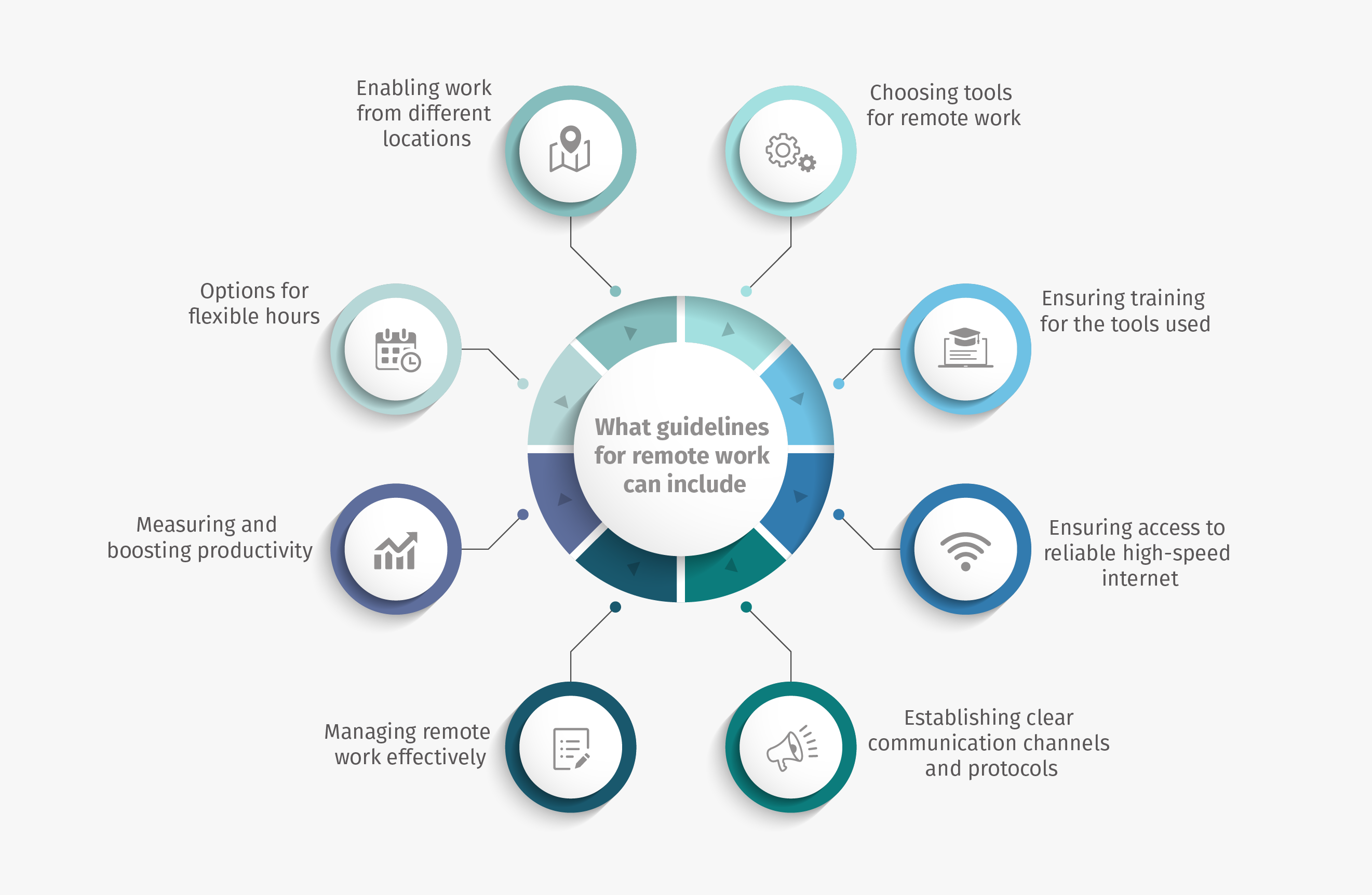
Sagility work from home is a work arrangement that allows employees to work from anywhere, typically their home, while still maintaining a connection to their employer and colleagues. This arrangement offers numerous advantages, including flexibility, autonomy, and improved work-life balance.
Sagility work from home is on the rise due to advancements in technology and the increasing need for flexibility in the workplace. It has become increasingly common in various industries, including technology, finance, and customer service. By allowing employees to work from home, employers can tap into a wider pool of talent and reduce overhead costs associated with traditional office spaces.
In summary, sagility work from home offers a range of benefits for both employees and employers, including flexibility, improved work-life balance, and reduced costs. As technology continues to advance and the demand for flexibility grows, sagility work from home is likely to become even more prevalent in the future.
1. Flexibility
-
Facet 1: Improved Work-Life Balance
Sagility work from home allows employees to better manage their work and personal responsibilities. By eliminating the need for daily commutes and offering flexible work hours, employees can attend to personal errands, appointments, and family commitments with greater ease. This flexibility contributes to reduced stress levels and improved overall well-being.
-
Facet 2: Increased Productivity
Contrary to traditional assumptions, remote work can lead to increased productivity. With fewer distractions and the ability to work during their most productive hours, employees can maintain high levels of focus and efficiency. Studies have shown that remote workers often produce more output compared to their office-based counterparts.
-
Facet 3: Access to a Wider Talent Pool
Sagility work from home enables organizations to access a wider pool of talent. By removing geographical barriers, companies can hire skilled professionals from diverse locations, expanding their reach and increasing the diversity of their workforce.
-
Facet 4: Reduced Costs for Employers
Remote work can lead to significant cost savings for employers. With a distributed workforce, companies can reduce their overhead expenses associated with office space, utilities, and other workplace-related costs.
These facets of flexibility highlight the advantages of sagility work from home, not only for employees but also for organizations. By embracing remote work models, companies can enhance employee satisfaction, increase productivity, and gain a competitive edge in the modern business landscape.
2. Autonomy
In the context of sagility work from home, autonomy plays a crucial role in empowering employees and enhancing their productivity. It encompasses various facets that shape the overall remote work experience:
-
Facet 1: Control Over Work Environment
Remote work grants employees the autonomy to design their work environment sesuai selera. They can choose a dedicated workspace that suits their preferences, whether it’s a quiet corner in their home or a shared space with colleagues. This control over their physical environment contributes to increased comfort, reduced distractions, and improved focus.
-
Facet 2: Flexible Work Schedule
Sagility work from home offers employees the flexibility to set their own work schedules. They can adjust their start and end times to accommodate personal commitments, appointments, or errands. This autonomy allows employees to better manage their time and maintain a healthy work-life balance.
-
Facet 3: Decision-Making Authority
Remote work often involves a certain degree of decision-making authority for employees. They may have more autonomy in planning their tasks, setting priorities, and managing their workload. This empowerment fosters a sense of ownership and responsibility, leading to increased motivation and job satisfaction.
-
Facet 4: Improved Communication and Collaboration
While autonomy is a key aspect of remote work, it does not imply isolation. Advancements in technology have made it easier for remote employees to communicate and collaborate with colleagues and managers. Virtual meetings, instant messaging, and project management tools facilitate seamless communication, ensuring that employees stay connected and informed.
These facets of autonomy highlight the empowering nature of sagility work from home. By providing employees with greater control over their work environment, schedule, and decision-making, remote work fosters a sense of ownership, responsibility, and job satisfaction. This, in turn, contributes to increased productivity, innovation, and overall success for both employees and organizations.
3. Technology
The advent of advanced technologies has revolutionized the way we work, making sagility work from home a viable and increasingly popular option. Technological advancements have transformed communication and collaboration, enabling remote employees to stay connected, share ideas, and work together effectively.
-
Facet 1: Video Conferencing and Virtual Meetings
Video conferencing platforms have become indispensable for remote work, allowing employees to communicate face-to-face from anywhere in the world. These platforms facilitate real-time conversations, enable screen sharing for presentations and demonstrations, and provide virtual meeting spaces for team collaboration.
-
Facet 2: Instant Messaging and Chat Tools
Instant messaging and chat tools have become essential for seamless communication among remote teams. These tools allow for quick and informal exchanges, real-time troubleshooting, and quick sharing of ideas and updates. They help bridge the gap between employees who are physically separated and foster a sense of camaraderie.
-
Facet 3: Cloud-Based Collaboration Platforms
Cloud-based collaboration platforms provide a centralized workspace for remote teams to share documents, track projects, and collaborate on tasks. These platforms enable seamless file sharing, version control, and real-time editing, ensuring that everyone has access to the most up-to-date information.
-
Facet 4: Remote Desktop Access and Virtual Private Networks (VPNs)
Remote desktop access and VPNs allow remote employees to securely access their work computers and applications from anywhere. This technology enables them to work on the same software and files as if they were in the office, ensuring continuity and efficiency.
These technological advancements have transformed sagility work from home from a mere concept to a viable and effective work arrangement. By enabling seamless communication, collaboration, and access to resources, technology has made it possible for employees to work remotely without compromising productivity or team dynamics.
4. Communication
In the context of sagility work from home, effective communication is paramount for maintaining a cohesive and productive remote workforce. Unlike traditional office settings where employees can easily communicate face-to-face, remote work relies heavily on effective communication tools and strategies to bridge physical distances and ensure that everyone stays connected and informed.
Communication serves as the backbone of sagility work from home, enabling seamless collaboration, timely decision-making, and efficient problem-solving. Through regular communication, remote employees can share ideas, provide updates, and seek support from colleagues and managers, ensuring that projects progress smoothly and deadlines are met.
Moreover, effective communication helps foster a sense of community and belonging among remote workers. By staying connected and informed, employees feel more engaged and motivated, reducing the risk of isolation and burnout that can sometimes accompany remote work. Open and transparent communication also promotes trust and understanding, leading to better working relationships and overall team success.
To achieve effective communication in sagility work from home environments, organizations should implement clear communication protocols, train employees on effective communication practices, and provide the necessary tools and technologies to facilitate seamless communication.
5. Culture
In the context of sagility work from home, company culture plays a pivotal role in shaping the overall success and well-being of remote employees. A positive and supportive company culture serves as the bedrock upon which effective remote work practices can flourish.
When employees feel connected to their company and share a common set of values and goals, they are more likely to be engaged and motivated in their work. This sense of belonging fosters a collaborative and supportive work environment, even when employees are physically separated. Remote employees who feel valued and supported by their company are more likely to be productive, satisfied with their jobs, and less likely to experience feelings of isolation or burnout.
Moreover, a positive company culture can help to mitigate the challenges associated with remote work, such as communication barriers and a lack of face-to-face interactions. By establishing clear communication channels, promoting open and transparent dialogue, and fostering a sense of community, companies can create a virtual workplace where remote employees feel connected and supported.
Real-life examples abound of companies that have successfully implemented positive and supportive company cultures to enhance their remote work environments. Buffer, a social media management company, is renowned for its commitment to transparency and employee well-being. The company provides generous benefits, encourages open communication, and has implemented a “default to async” policy to promote work-life balance.
GitLab, a software development company, is another shining example of how a strong company culture can foster a thriving remote work environment. The company emphasizes values such as transparency, inclusivity, and customer-centricity. GitLab provides employees with the flexibility and autonomy to work from anywhere in the world and has created a virtual workplace where employees feel connected and valued.
In summary, establishing a positive and supportive company culture is not merely an optional add-on for sagility work from home; it is an essential component that underpins employee engagement, fosters a sense of belonging, and ultimately drives the success of remote work initiatives.
Frequently Asked Questions about Sagility Work from Home
This section addresses frequently asked questions (FAQs) about sagility work from home, providing concise and informative answers to common concerns and misconceptions.
Question 1: What are the key benefits of sagility work from home?
Sagility work from home offers numerous benefits, including increased flexibility, improved work-life balance, reduced costs for employers, access to a wider talent pool, and greater autonomy for employees.
Question 2: Is sagility work from home effective?
Yes, sagility work from home can be highly effective when implemented effectively. Studies have shown that remote workers can be just as productive, if not more productive, than their office-based counterparts.
Question 3: What are the challenges of sagility work from home?
Some challenges associated with sagility work from home include maintaining effective communication, fostering a sense of team cohesion, and ensuring that employees have the necessary resources and support.
Question 4: How can companies successfully implement sagility work from home?
Successful implementation of sagility work from home requires careful planning, clear communication, and the provision of adequate resources and support for remote employees.
Question 5: What are the future trends of sagility work from home?
Sagility work from home is expected to continue growing in popularity, with more companies adopting hybrid work models that combine remote and office-based work.
Question 6: How can employees succeed in a sagility work from home environment?
To succeed in a sagility work from home environment, employees should establish a dedicated workspace, set clear boundaries between work and personal life, and proactively communicate with colleagues and managers.
These FAQs provide a comprehensive overview of the benefits, challenges, and best practices associated with sagility work from home, empowering organizations and individuals to make informed decisions about remote work arrangements.
Transition to the next article section…
Tips for Effective Sagility Work from Home
To optimize your productivity and well-being while working remotely, consider implementing these practical tips:
Tip 1: Establish a Dedicated Workspace
Designate a specific area in your home for work, free from distractions and noise. This physical separation helps maintain a clear boundary between work and personal life.
Tip 2: Set a Regular Schedule
Establish a consistent work schedule and stick to it as much as possible. Regular hours promote discipline, reduce procrastination, and improve work-life balance.
Tip 3: Communicate Effectively
Regular communication is crucial for remote work. Use a combination of video conferencing, instant messaging, and email to stay connected with colleagues and managers. Clarify expectations, provide updates, and address any concerns promptly.
Tip 4: Take Breaks
Regular breaks are essential to maintain focus and prevent burnout. Step away from your workspace, engage in non-work activities, and return refreshed and re-energized.
Tip 5: Utilize Technology
Leverage technology to enhance your remote work experience. Use collaboration tools for project management, video conferencing software for meetings, and instant messaging for quick communication.
Tip 6: Maintain Physical and Mental Well-being
Working from home can impact your physical and mental health. Prioritize regular exercise, healthy eating, and sufficient sleep. Take advantage of opportunities to socialize virtually or in person to maintain social connections.
Tip 7: Seek Support
Don’t hesitate to reach out for support if needed. Communicate any challenges or concerns to your manager, colleagues, or HR department. They can provide guidance, resources, or adjustments to improve your remote work experience.
Summary
By implementing these tips, you can create a productive and fulfilling sagility work from home environment. Remember to prioritize clear communication, effective time management, and your overall well-being. Embrace the flexibility and autonomy of remote work while maintaining a structured and supportive routine.
Transition to the article’s conclusion…
Conclusion
In conclusion, sagility work from home has emerged as a transformative work arrangement that offers numerous advantages for both employees and employers. By embracing flexibility, autonomy, and technology, organizations can unlock a world of possibilities while empowering their workforce to achieve greater work-life balance and productivity.
As we look towards the future, sagility work from home is poised to become even more prevalent. The increasing adoption of remote work technologies, coupled with a growing desire for flexibility and work-life integration, will continue to drive the shift towards hybrid and remote work models. Organizations that embrace sagility work from home will be well-positioned to attract and retain top talent, foster innovation, and drive business success in the modern era.