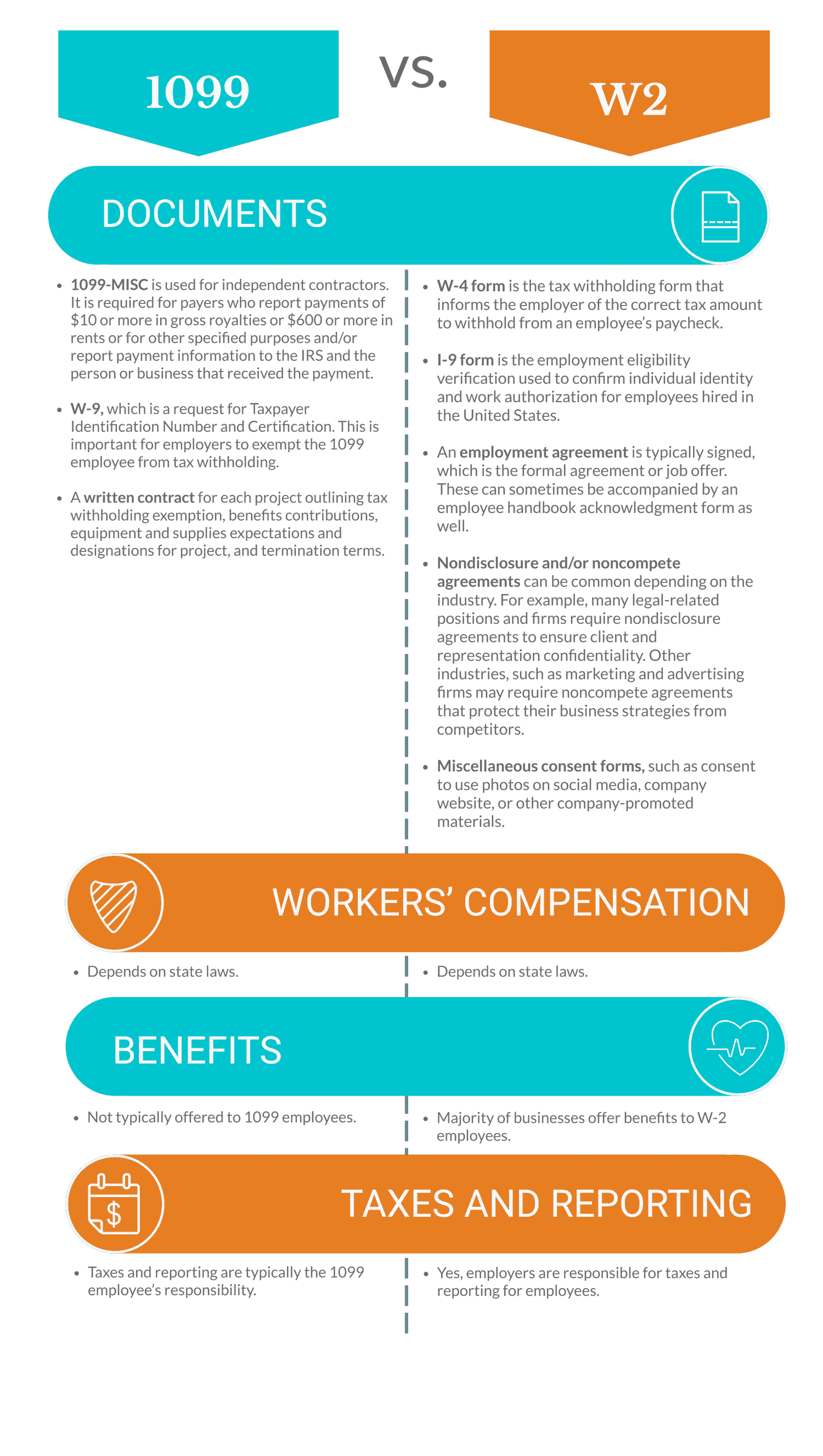
As a 1099 employee, also known as an independent contractor, you are not subject to the Fair Labor Standards Act (FLSA). This means that you are not entitled to overtime pay or other benefits that are typically provided to employees. However, you are still required to comply with certain federal and state laws, including those that govern the number of hours you can work.
The number of hours that a 1099 employee can work will vary depending on the terms of their contract. However, there are some general guidelines that you should keep in mind. First, you should not work more than 40 hours per week without taking a break. Second, you should not work more than 8 hours per day without taking a break. Third, you should not work more than 12 hours per day, even if you are taking breaks.
If you are working more than the number of hours that are specified in your contract, you may be putting yourself at risk of legal action. Additionally, you may be putting your health at risk. Working long hours can lead to fatigue, which can increase your risk of accidents and injuries. It can also lead to burnout, which can make it difficult to perform your job effectively.
If you have any questions about the number of hours that you can work as a 1099 employee, you should consult with an attorney or accountant. They can help you to understand your rights and responsibilities under the law.
1. Contract Terms
The contract terms between a 1099 employee and the hiring entity play a pivotal role in determining the number of hours the employee can work. These terms establish the agreed-upon work schedule, including the number of hours per day, week, or month that the employee is expected to work. They serve as a binding agreement that outlines the expectations and obligations of both parties.
The importance of contract terms lies in their ability to provide clarity and prevent misunderstandings. By clearly defining the work hours, both the 1099 employee and the hiring entity have a clear understanding of the time commitment involved. This helps avoid disputes and ensures that both parties are on the same page regarding work expectations.
In real-life scenarios, contract terms can vary depending on the nature of the work, industry, and specific agreement between the parties. For instance, a freelance writer may have a contract that specifies a certain number of hours per week, while a consultant may have a contract that outlines a specific number of hours per project.
Understanding the connection between contract terms and the number of hours a 1099 employee can work is crucial for several reasons. Firstly, it helps ensure compliance with labor laws and regulations. Secondly, it promotes transparency and fairness in the working relationship. Thirdly, it empowers 1099 employees to manage their time effectively and maintain a healthy work-life balance.
In conclusion, contract terms are a fundamental component in determining the number of hours a 1099 employee can work. They provide a clear framework for work expectations, prevent misunderstandings, and ensure that both parties are operating under the same set of rules. Understanding this connection is essential for fostering a positive and productive working relationship.
2. FLSA Exemption
The connection between the FLSA exemption and the number of hours a 1099 employee can work is significant. The FLSA, or Fair Labor Standards Act, is a federal law that sets minimum wage, overtime pay, recordkeeping, and youth employment standards for employees in the United States. However, 1099 employees are exempt from overtime pay and other benefits under the FLSA.
- No Overtime Pay: Unlike traditional employees, 1099 employees are not entitled to overtime pay for hours worked beyond 40 hours per week. This is because they are classified as independent contractors, not employees.
- No Minimum Wage: 1099 employees are also not subject to the minimum wage requirements under the FLSA. This means that they can be paid less than the minimum wage, as long as they are paid a fair market rate for their services.
- No Benefits: 1099 employees are not eligible for benefits such as paid time off, health insurance, or retirement plans that are typically provided to traditional employees.
The FLSA exemption has implications for the number of hours a 1099 employee can work. Because they are not entitled to overtime pay, 1099 employees may be more likely to work long hours without compensation. Additionally, because they are not eligible for benefits, 1099 employees may feel pressure to work more hours to make up for the lack of benefits.
It is important for 1099 employees to be aware of the FLSA exemption and its implications. By understanding their rights and responsibilities, 1099 employees can make informed decisions about their work hours and ensure that they are being fairly compensated for their services.
3. State Laws
State laws play a significant role in determining the number of hours a 1099 employee can work. While 1099 employees are generally exempt from federal overtime laws, individual states have the authority to impose their own hour limitations.
- Compliance with State Laws: 1099 employees must comply with the hour limitations imposed by the state in which they work. Failure to do so may result in legal penalties, fines, or other consequences.
- Variation Across States: Hour limitations for 1099 workers vary from state to state. Some states have no specific hour limitations, while others have strict limits on the number of hours that 1099 employees can work.
- Impact on Work Schedules: State hour limitations can impact the work schedules of 1099 employees. Employees may need to adjust their work hours to comply with state laws, which can affect their productivity and earnings.
- Implications for Employers: Employers who hire 1099 workers must be aware of the hour limitations imposed by the state in which the workers are located. Employers may need to adjust their work arrangements to ensure compliance with state laws.
Understanding the connection between state laws and the number of hours a 1099 employee can work is essential for both employees and employers. By being aware of the relevant laws and regulations, 1099 employees can protect their rights and avoid legal issues. Employers can ensure that they are operating in compliance with state laws and providing a fair and equitable work environment for their 1099 workers.
4. Health and Safety
The connection between health and safety and the number of hours a 1099 employee can work is crucial. Working excessive hours can have detrimental effects on both the physical and mental well-being of employees, leading to fatigue, burnout, and potential legal risks.
- Fatigue: Working long hours without adequate rest can lead to fatigue, which can impair cognitive function, reaction time, and decision-making abilities. This can increase the risk of accidents, injuries, and errors on the job.
- Burnout: Excessive work hours can also lead to burnout, a state of emotional and physical exhaustion caused by prolonged or excessive stress. Burnout can manifest in symptoms such as detachment, cynicism, and reduced productivity.
- Legal Risks: Employers have a legal obligation to provide a safe and healthy work environment for their employees. This includes taking steps to prevent fatigue and burnout. Failure to do so could result in legal liability for the employer.
For 1099 employees, who are not covered by traditional labor laws, it is especially important to be aware of the health and safety risks associated with working excessive hours. They should take breaks throughout the day, get enough sleep, and avoid working when they are feeling fatigued. Employers who hire 1099 workers should also be mindful of the potential risks and take steps to create a work environment that promotes employee well-being.
5. Breaks
In the context of “how many hours can a 1099 employee work,” understanding the connection between breaks and work hours is crucial. Breaks are not merely intervals of rest but play a vital role in maintaining an employee’s well-being and productivity.
- Enhanced Focus: Regular breaks throughout the day help employees regain focus and concentration. By stepping away from their work, they can clear their minds, refresh their perspectives, and return to their tasks with renewed attention.
- Reduced Burnout: Breaks serve as a preventive measure against burnout, a common issue among those working long hours. By providing employees with opportunities to rest and recharge, employers can help mitigate the effects of prolonged work sessions and promote sustained productivity.
- Improved Decision-Making: Breaks allow employees to make more informed and sound decisions. When faced with complex tasks or challenging situations, taking a break can provide the necessary mental space to process information, consider different perspectives, and make better choices.
- Increased Productivity: Contrary to the misconception that breaks disrupt workflow, they actually enhance productivity. Employees who take regular breaks tend to be more productive and efficient in the long run. This is because breaks help prevent fatigue, maintain motivation, and improve overall cognitive function.
In conclusion, the connection between breaks and work hours is significant. By recognizing the importance of breaks, 1099 employees can optimize their work schedules to maintain focus, prevent burnout, make better decisions, and ultimately increase their productivity.
FAQs About the Number of Hours a 1099 Employee Can Work
This section provides answers to frequently asked questions regarding the work hours of 1099 employees. Understanding these regulations is crucial for both employees and employers.
Question 1: Are 1099 employees subject to overtime pay?
Answer: No, 1099 employees are exempt from overtime pay and other benefits under the Fair Labor Standards Act (FLSA).
Question 2: Do state laws impact the number of hours a 1099 employee can work?
Answer: Yes, individual states may impose specific hour limitations for 1099 workers. It is essential for employees to be aware of the relevant laws in their state.
Question 3: How do work hours affect the health and well-being of 1099 employees?
Answer: Excessive work hours can lead to fatigue, burnout, and potential legal risks for employers. Breaks are crucial for maintaining focus and preventing burnout.
Question 4: What are the key considerations for 1099 employees when managing their work hours?
Answer: 1099 employees should consider contract terms, FLSA exemption, state laws, health and safety, and the importance of breaks when determining their work hours.
Question 5: How can employers ensure compliance with work hour regulations for 1099 employees?
Answer: Employers should be aware of the relevant laws and regulations, adjust work arrangements as necessary, and create a work environment that promotes employee well-being.
Question 6: Where can I find additional information and resources on work hour regulations for 1099 employees?
Answer: Consult reliable sources such as the U.S. Department of Labor, state labor departments, and legal professionals for the most up-to-date information and guidance.
In conclusion, understanding the regulations surrounding work hours for 1099 employees is essential to maintain compliance, protect employee rights, and promote a positive work environment.
Transition to the next article section: Understanding the legal and practical aspects of work hours for 1099 employees empowers both employees and employers to navigate this topic effectively.
Tips Regarding Work Hours for 1099 Employees
Understanding the regulations surrounding work hours for 1099 employees is crucial to maintain compliance, protect employee rights, and promote a positive work environment. Here are some tips to consider:
Tip 1: Review Contract Terms Thoroughly
Carefully examine the terms of your contract to determine the agreed-upon work hours and any specific requirements or limitations.
Tip 2: Be Aware of FLSA Exemption
As a 1099 employee, you are not entitled to overtime pay or other benefits under the Fair Labor Standards Act (FLSA). Understand the implications of this exemption.
Tip 3: Comply with State Laws
Familiarize yourself with the labor laws of the state in which you work, as they may impose specific hour limitations for 1099 employees.
Tip 4: Prioritize Health and Safety
Avoid working excessive hours to prevent fatigue, burnout, and potential health risks. Take regular breaks throughout the day to maintain focus and well-being.
Tip 5: Manage Your Time Effectively
Plan your work schedule strategically to optimize your productivity and prevent overwork. Utilize time management techniques to allocate your time wisely.
Tip 6: Consider Breaks Essential
Regular breaks are not interruptions but rather necessary intervals to recharge, regain focus, and prevent burnout. Schedule breaks into your workday and adhere to them.
Tip 7: Communicate with Employers
Openly discuss work hours and expectations with your employers. Communicate any concerns or limitations you may have to ensure a mutually agreeable arrangement.
Tip 8: Seek Professional Advice if Needed
If you have any doubts or complex questions regarding work hours as a 1099 employee, consult with an attorney or other qualified professional for guidance.
By following these tips, 1099 employees can navigate work hour regulations effectively, protect their rights, and maintain a healthy work-life balance.
Transition to the article’s conclusion: Understanding the legal and practical aspects of work hours for 1099 employees empowers both employees and employers to foster a compliant and productive work environment.
Conclusion
Understanding the complexities surrounding “how many hours can a 1099 employee work” requires careful consideration of legal and practical aspects. This article has explored the key factors that impact work hours for 1099 employees, including contract terms, FLSA exemption, state laws, health and safety, and the importance of breaks.
Navigating these factors effectively requires a proactive approach from both employees and employers. Employees should thoroughly review their contracts, be aware of their FLSA exemption, comply with state laws, prioritize their health and safety, and manage their time wisely. Employers, on the other hand, should ensure compliance with relevant regulations, create a work environment that promotes employee well-being, and engage in open communication regarding work hours.
By adhering to these guidelines, both parties can foster a compliant and productive work environment. Understanding the nuances of work hours for 1099 employees is not merely a matter of adhering to regulations but also a fundamental step towards safeguarding employee rights and promoting a healthy work-life balance.


